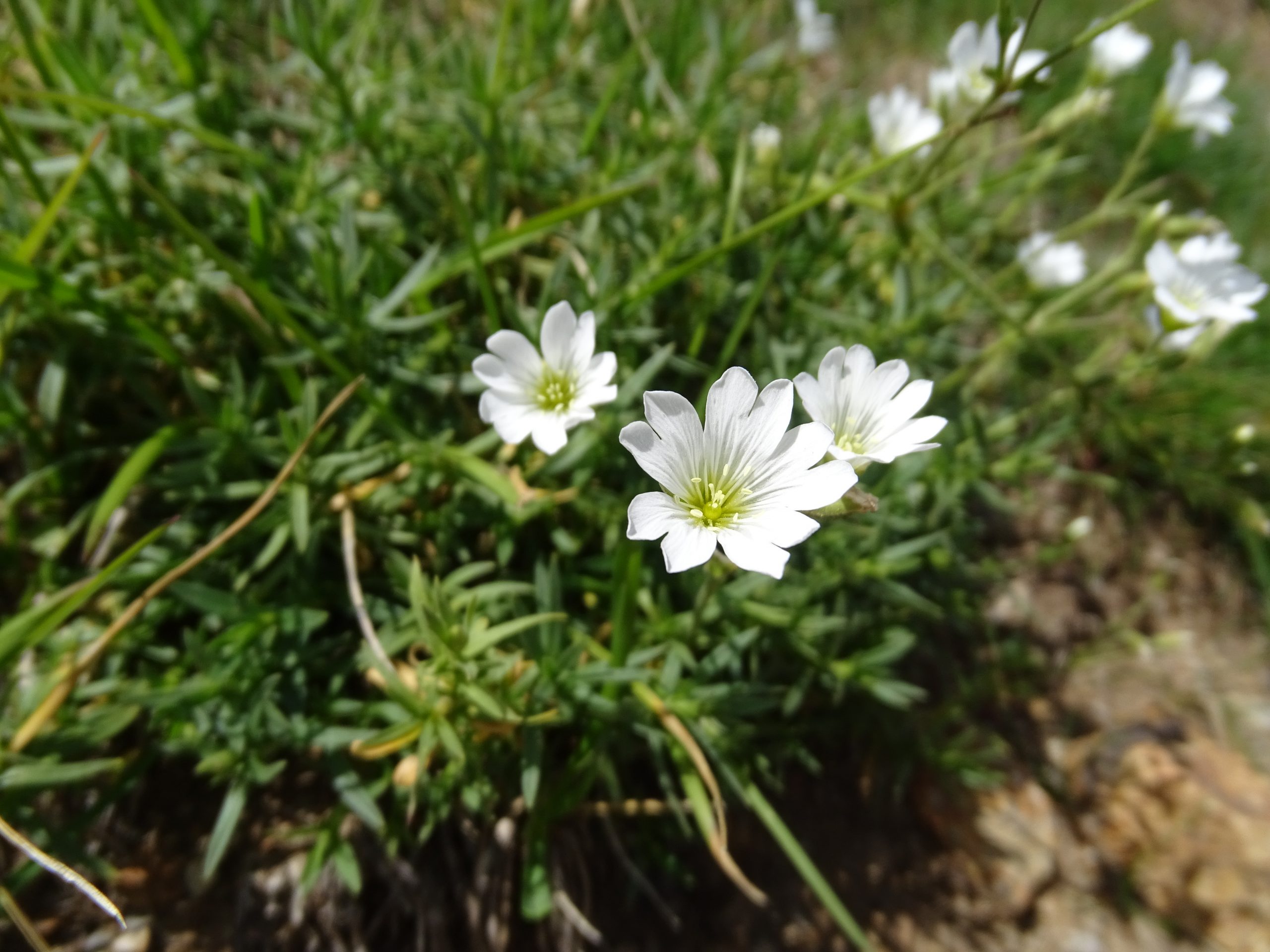
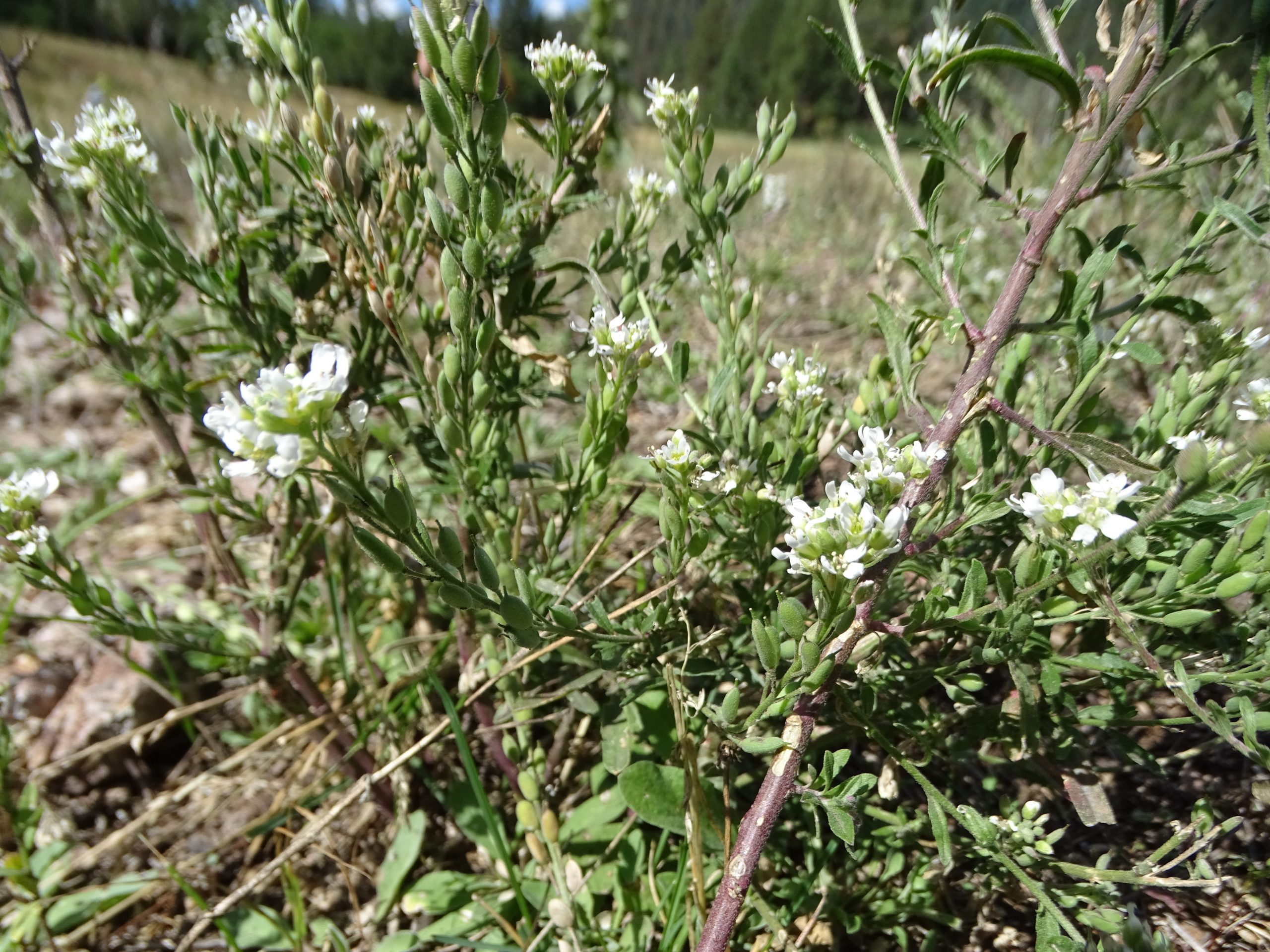
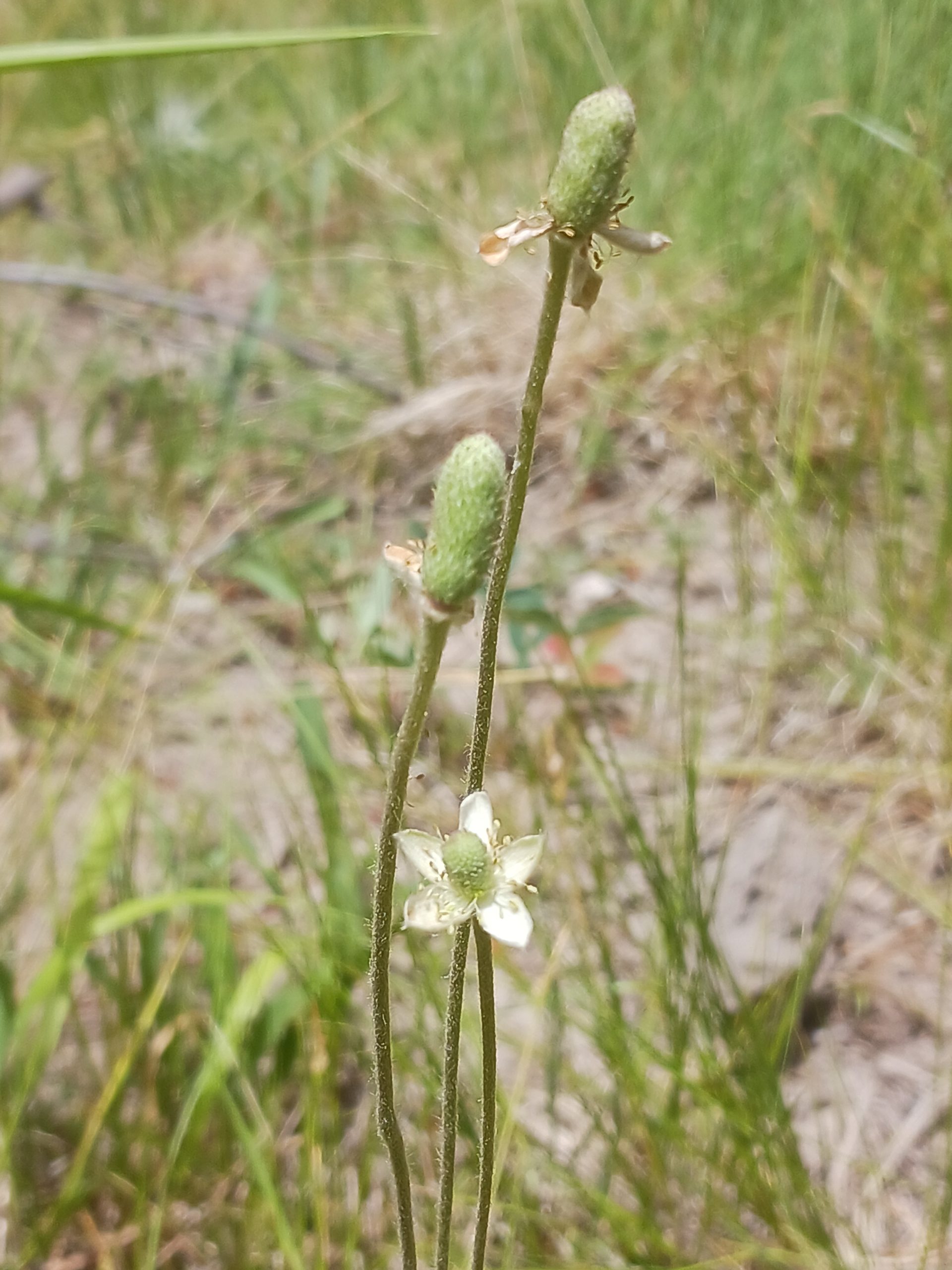
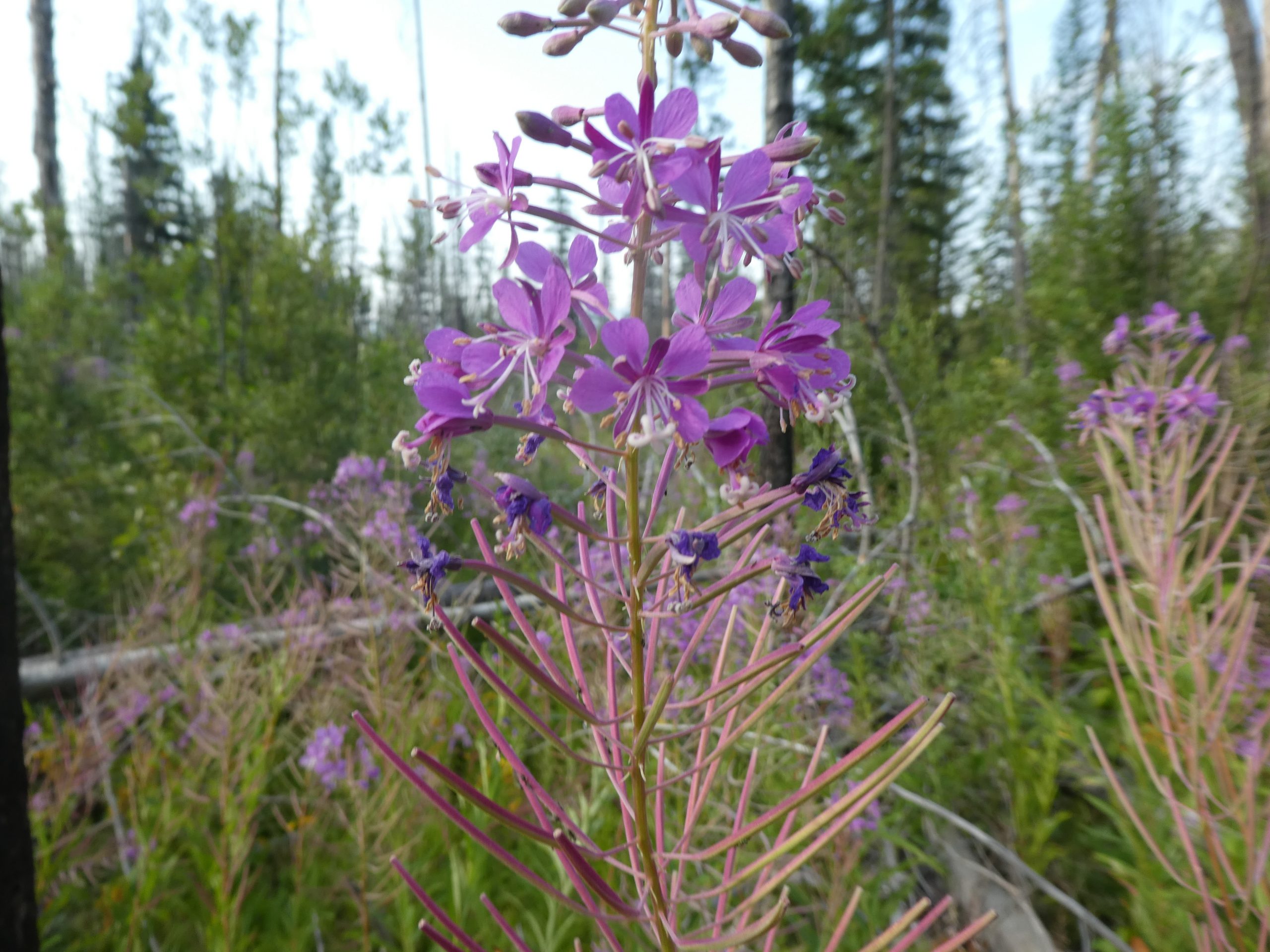
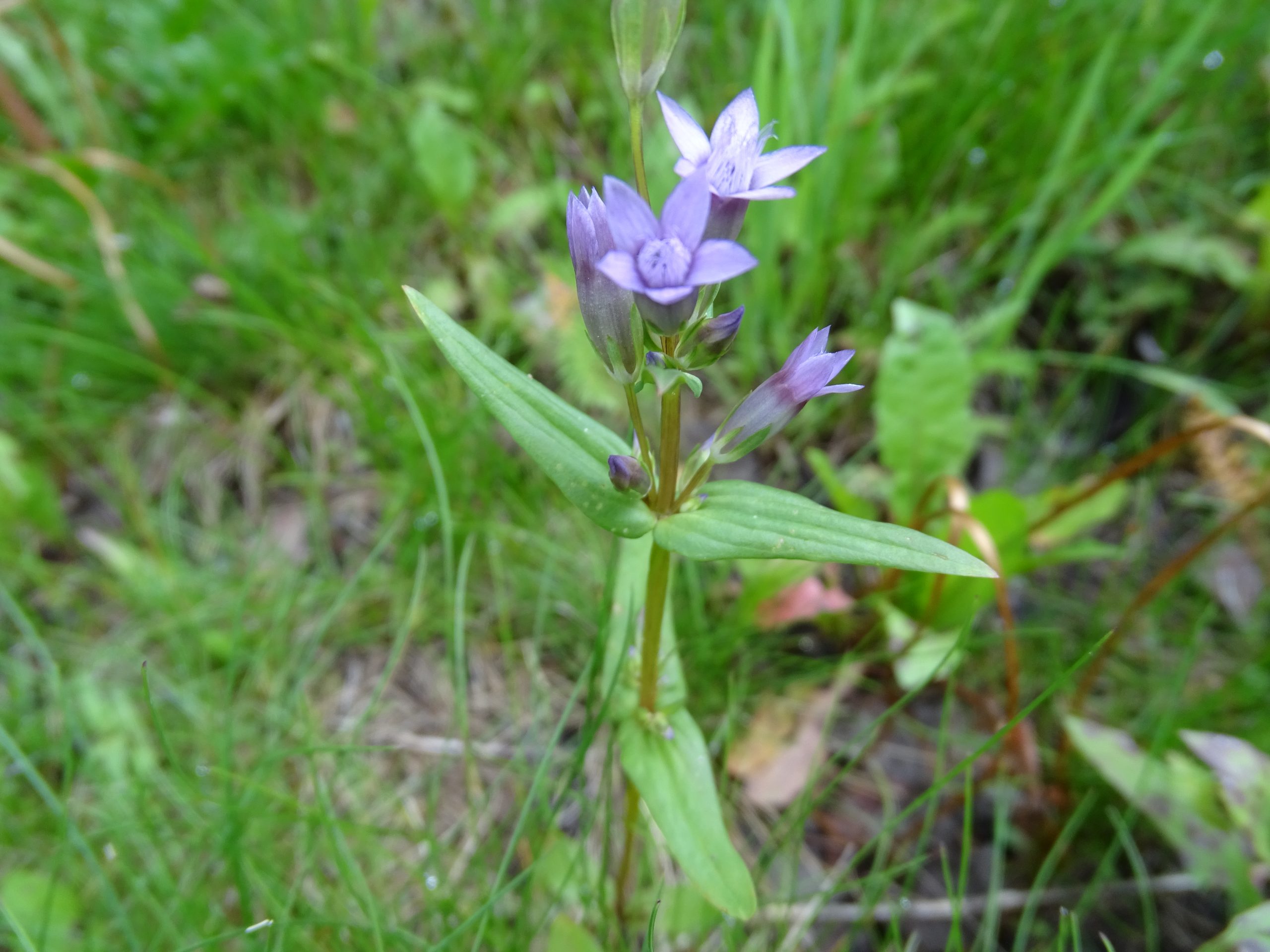
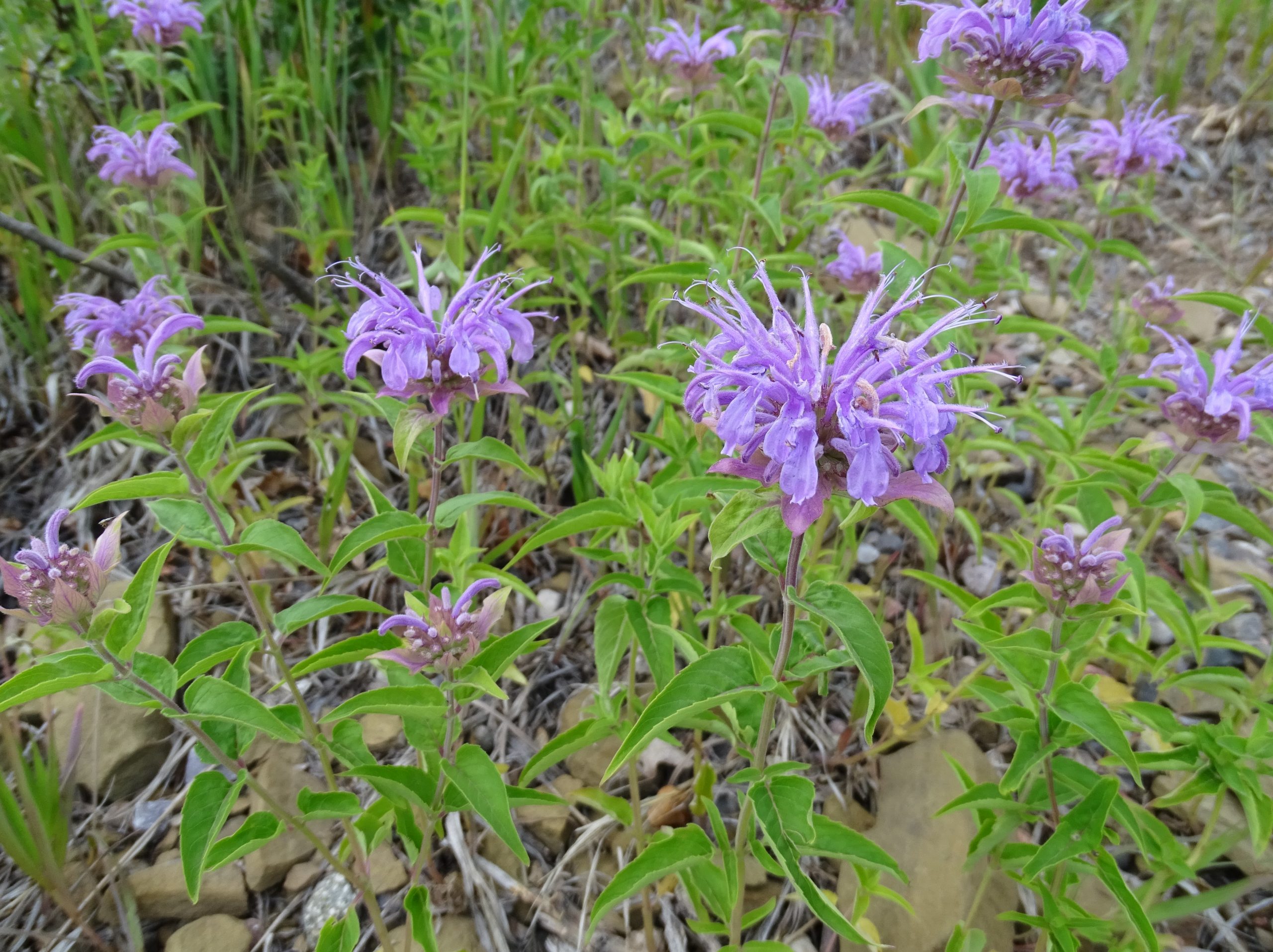
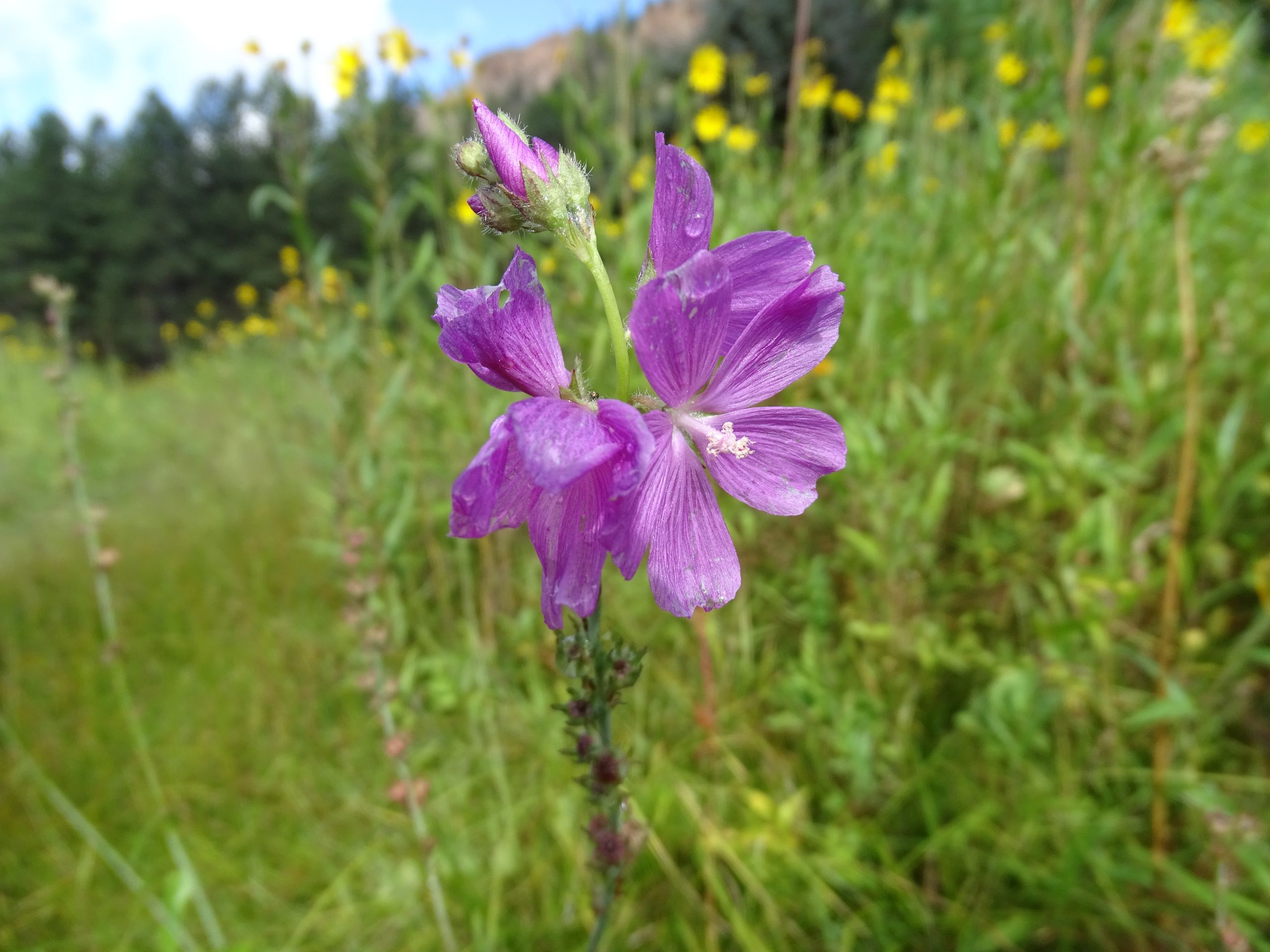
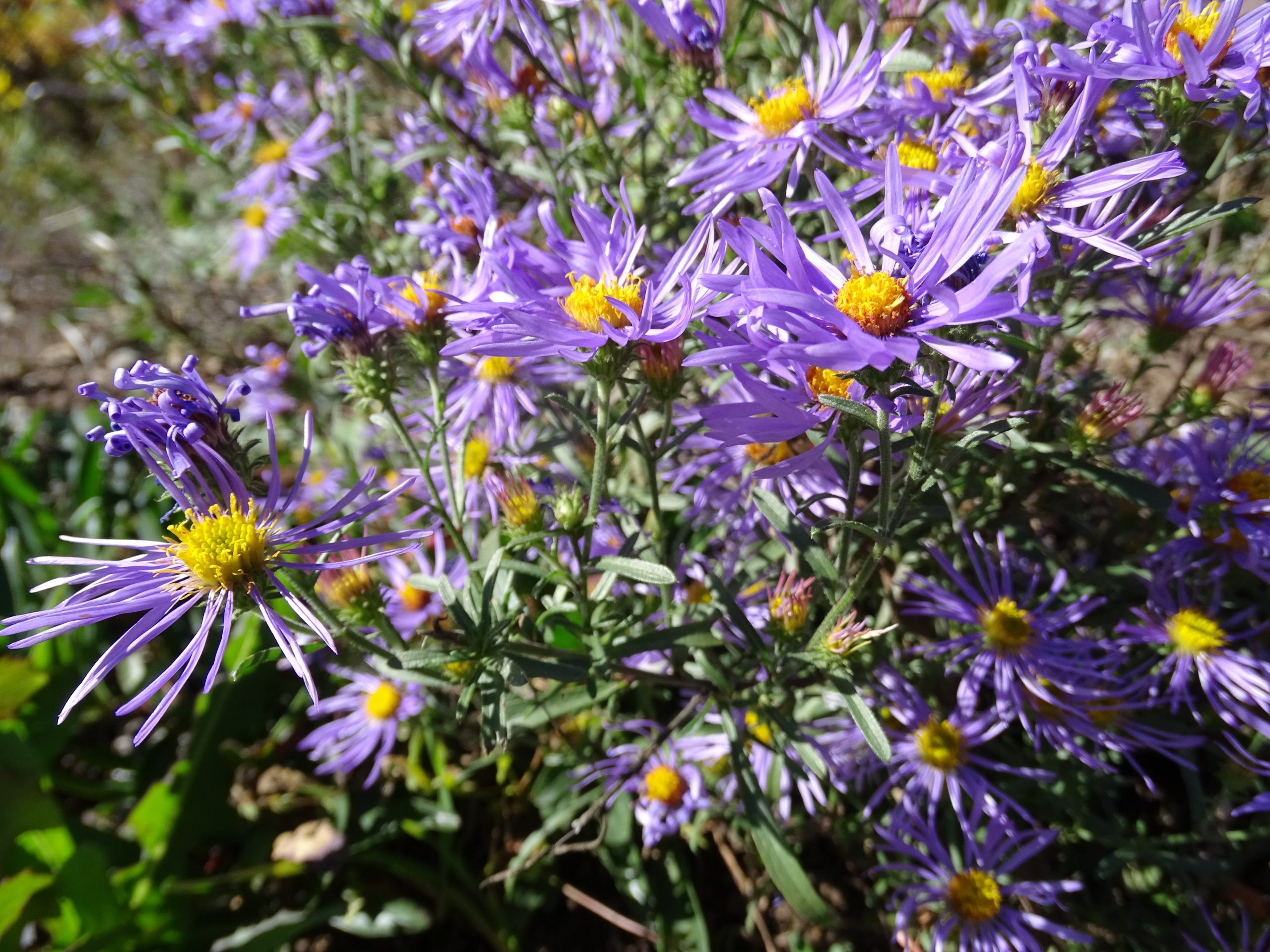
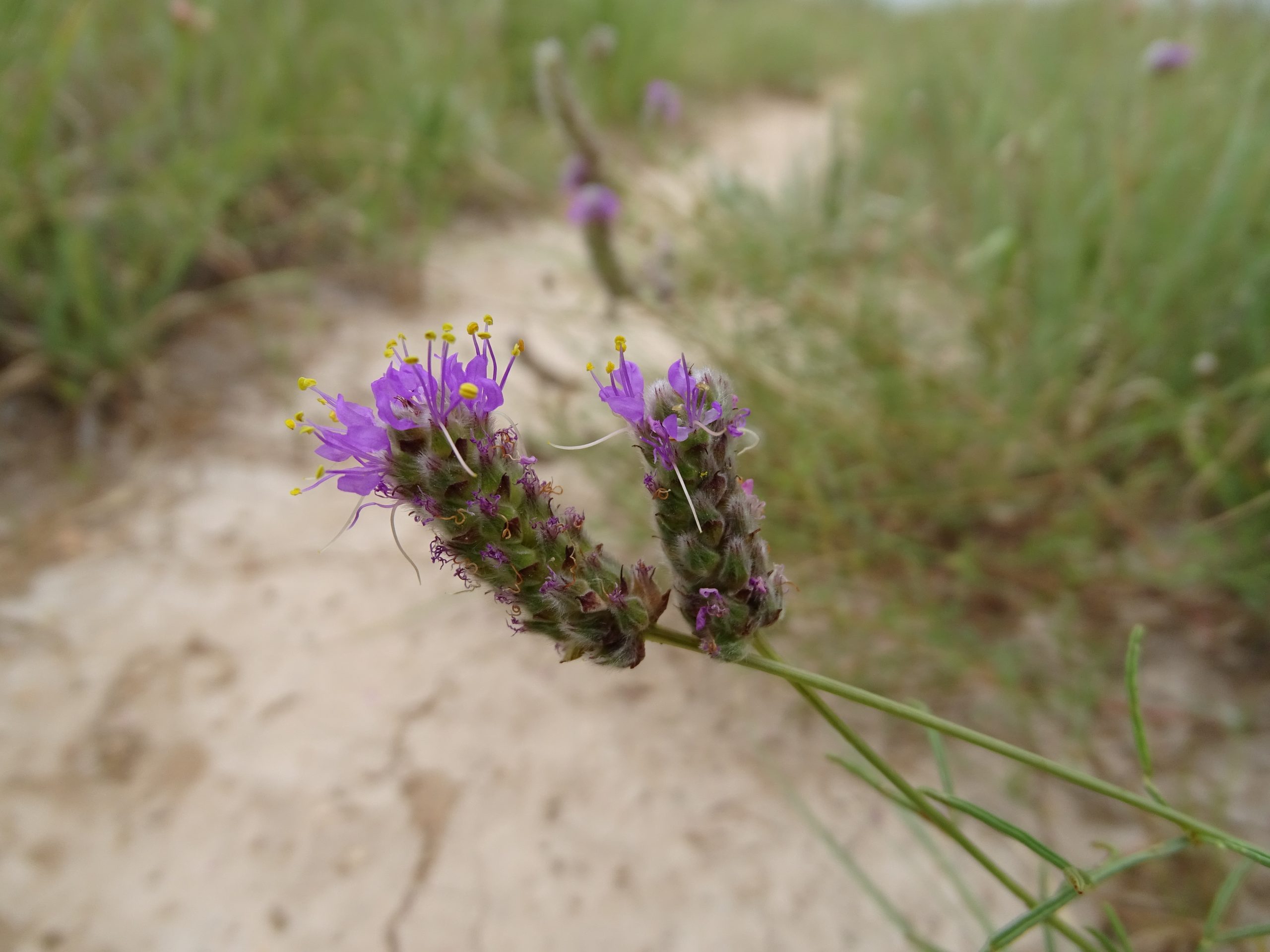
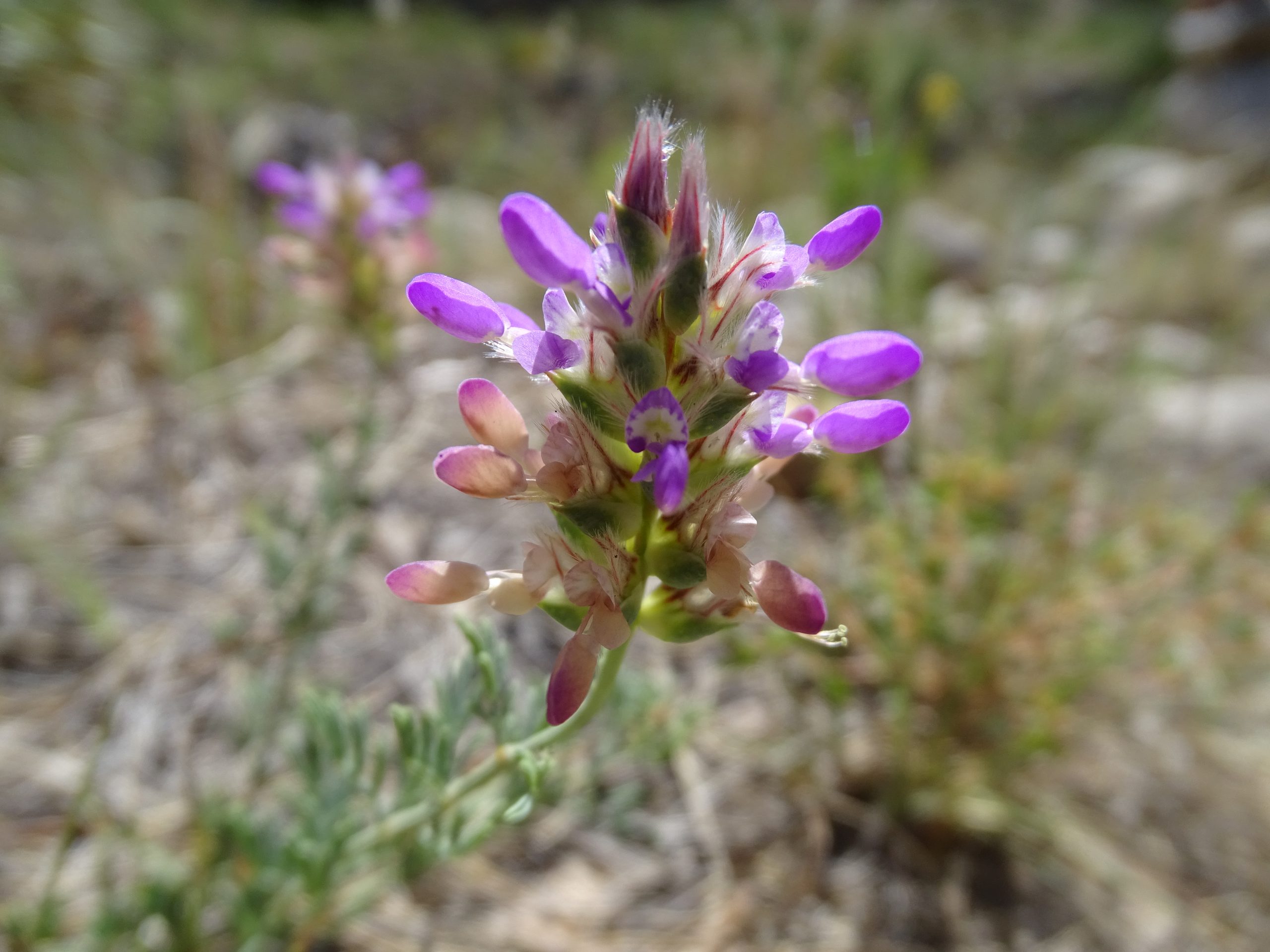
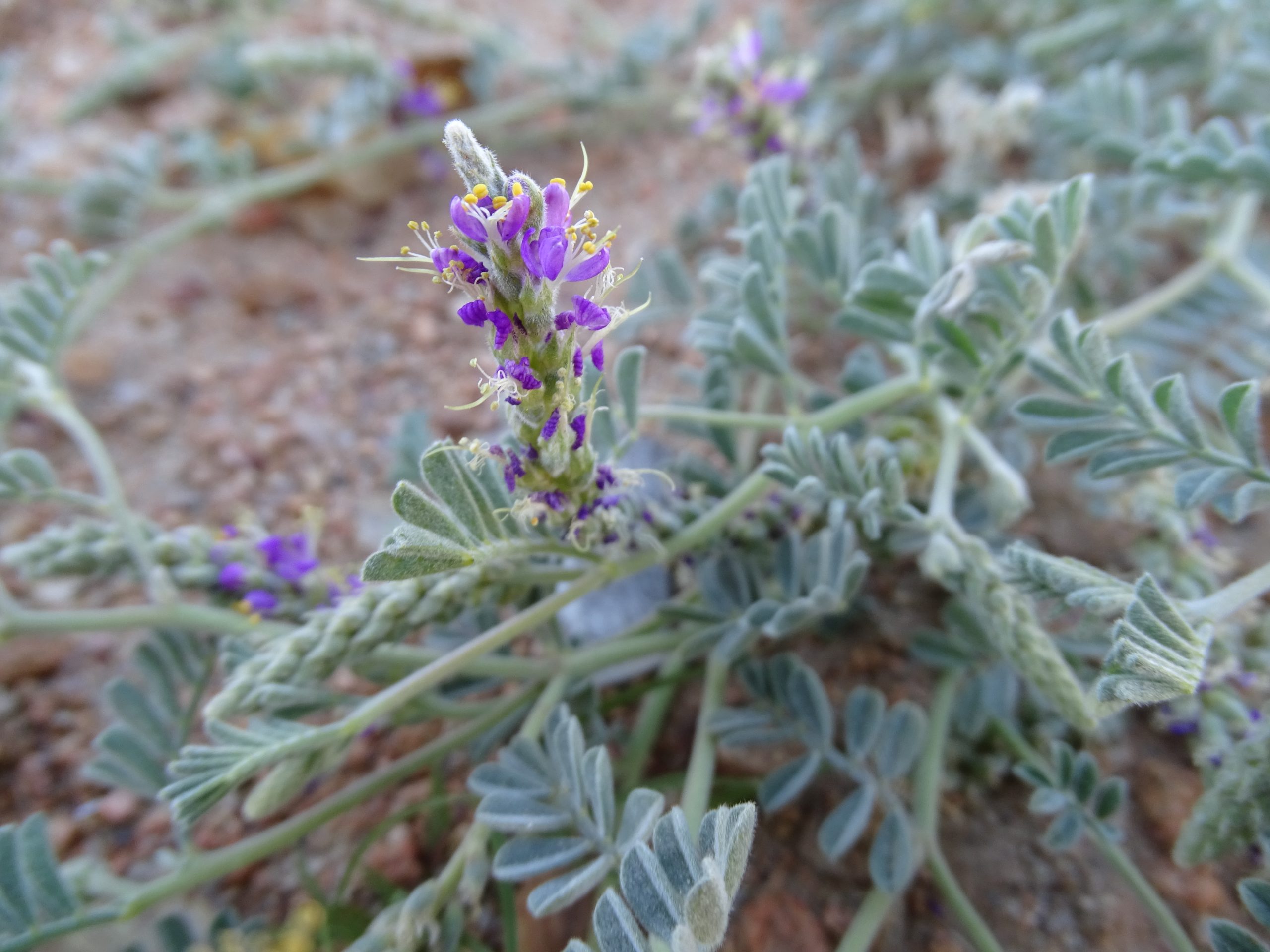
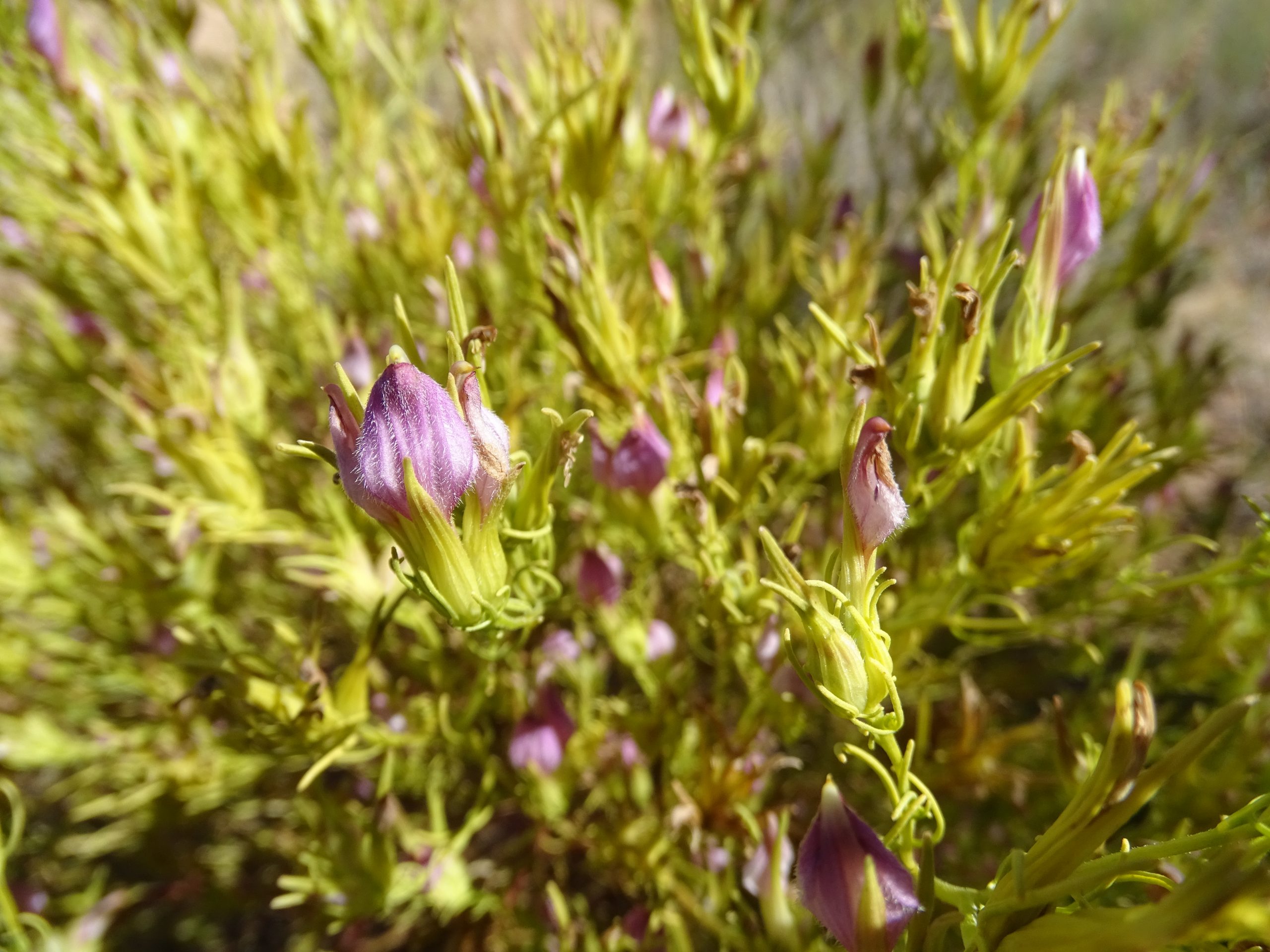
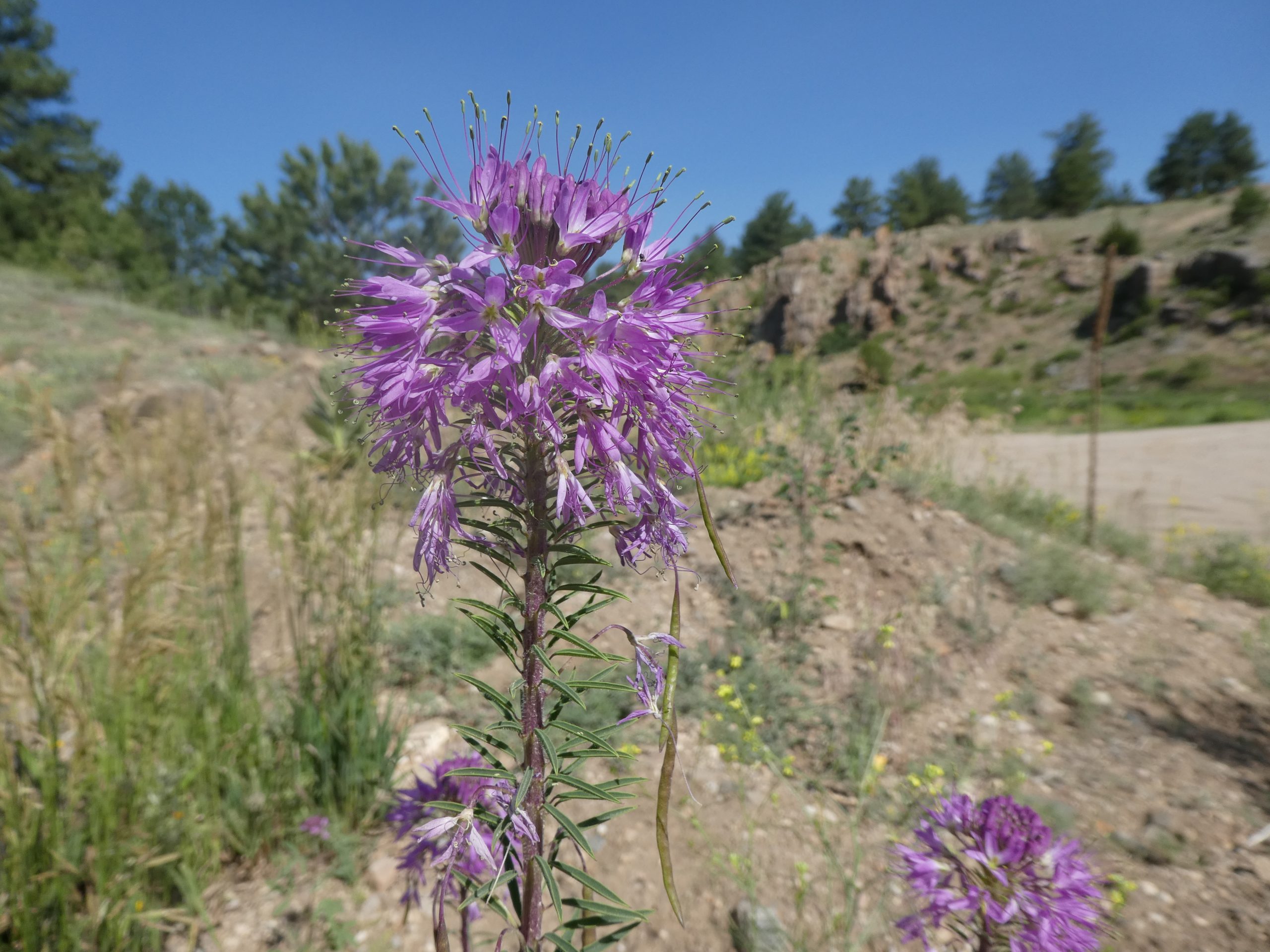
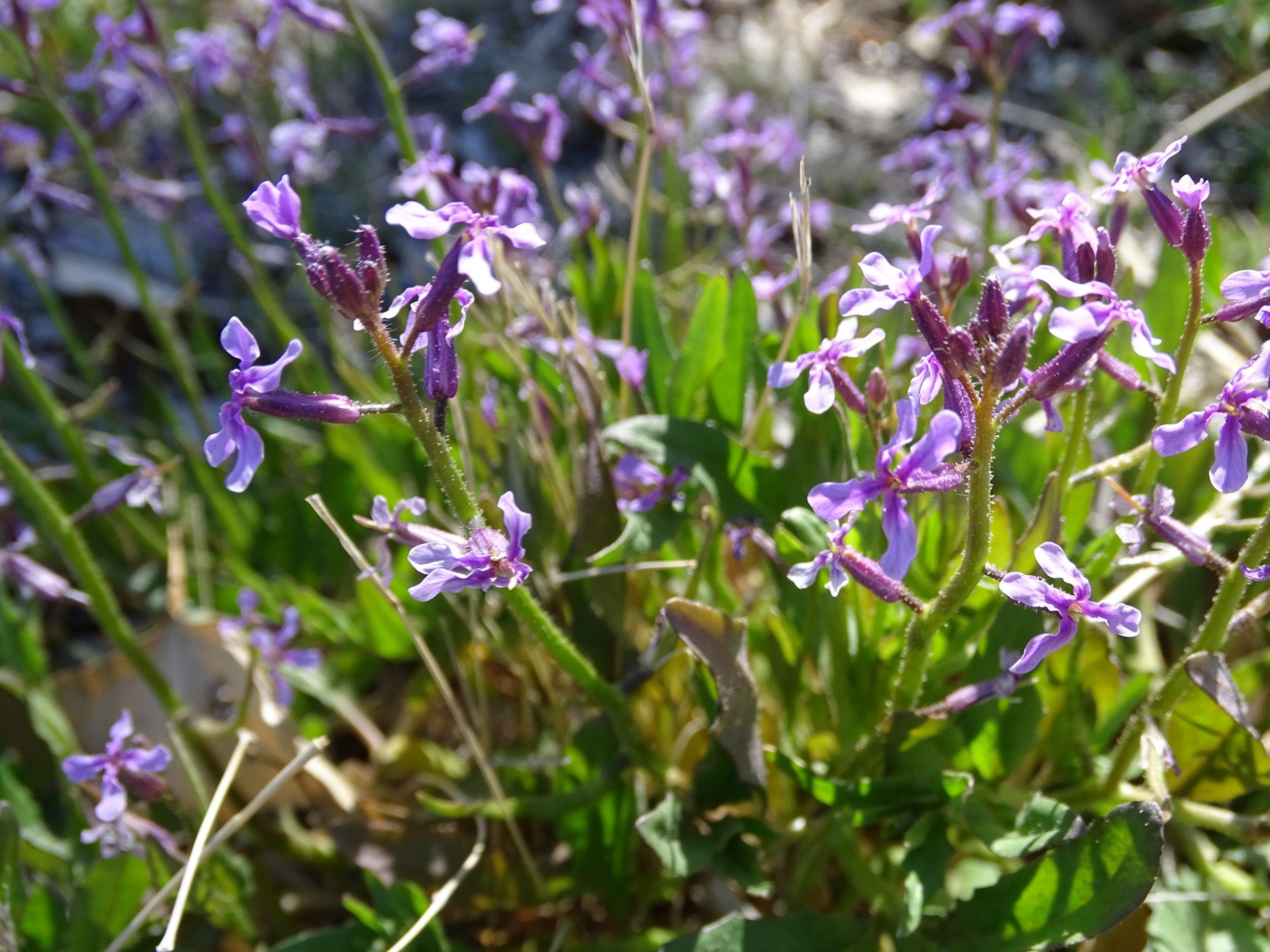
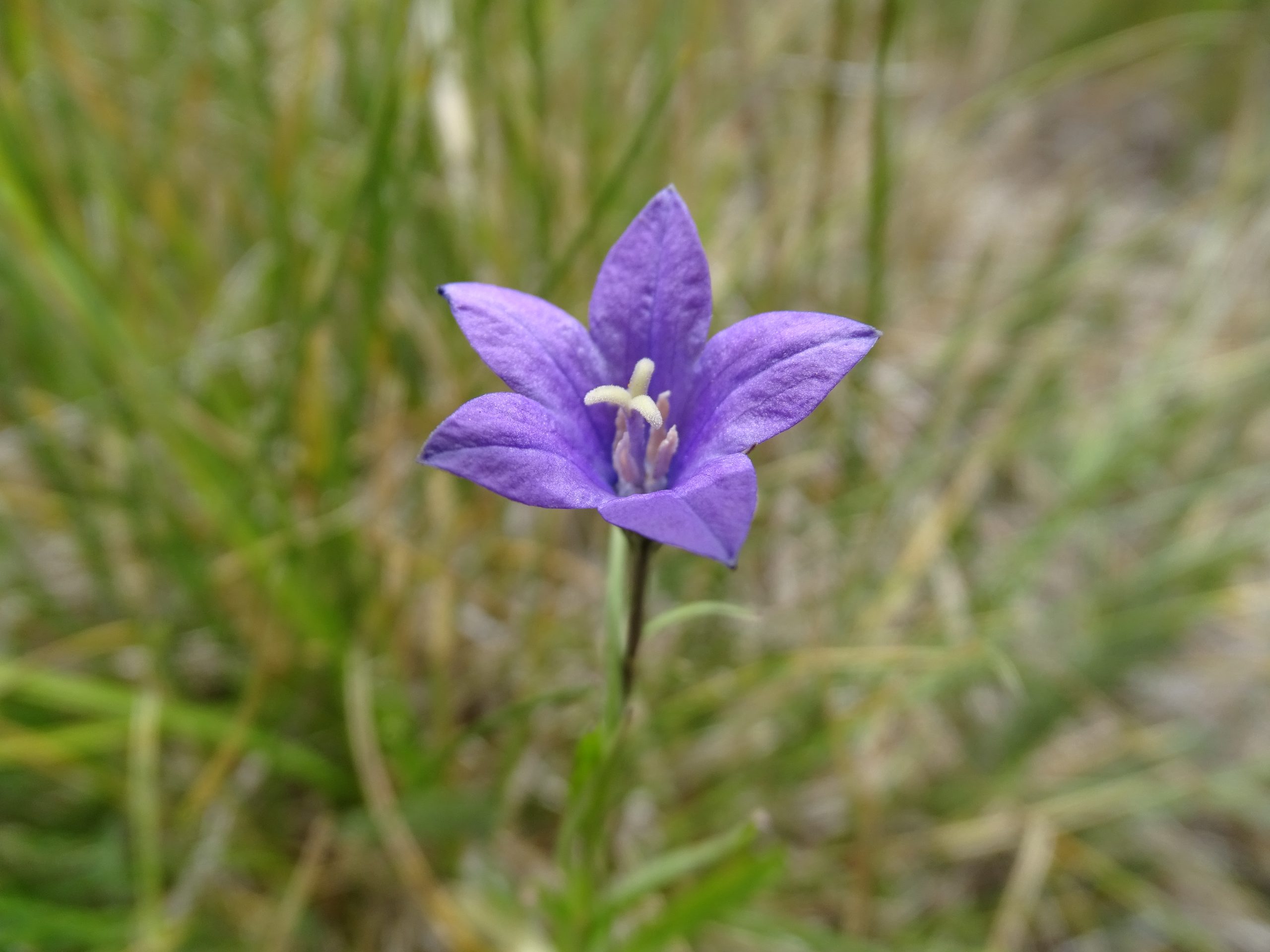
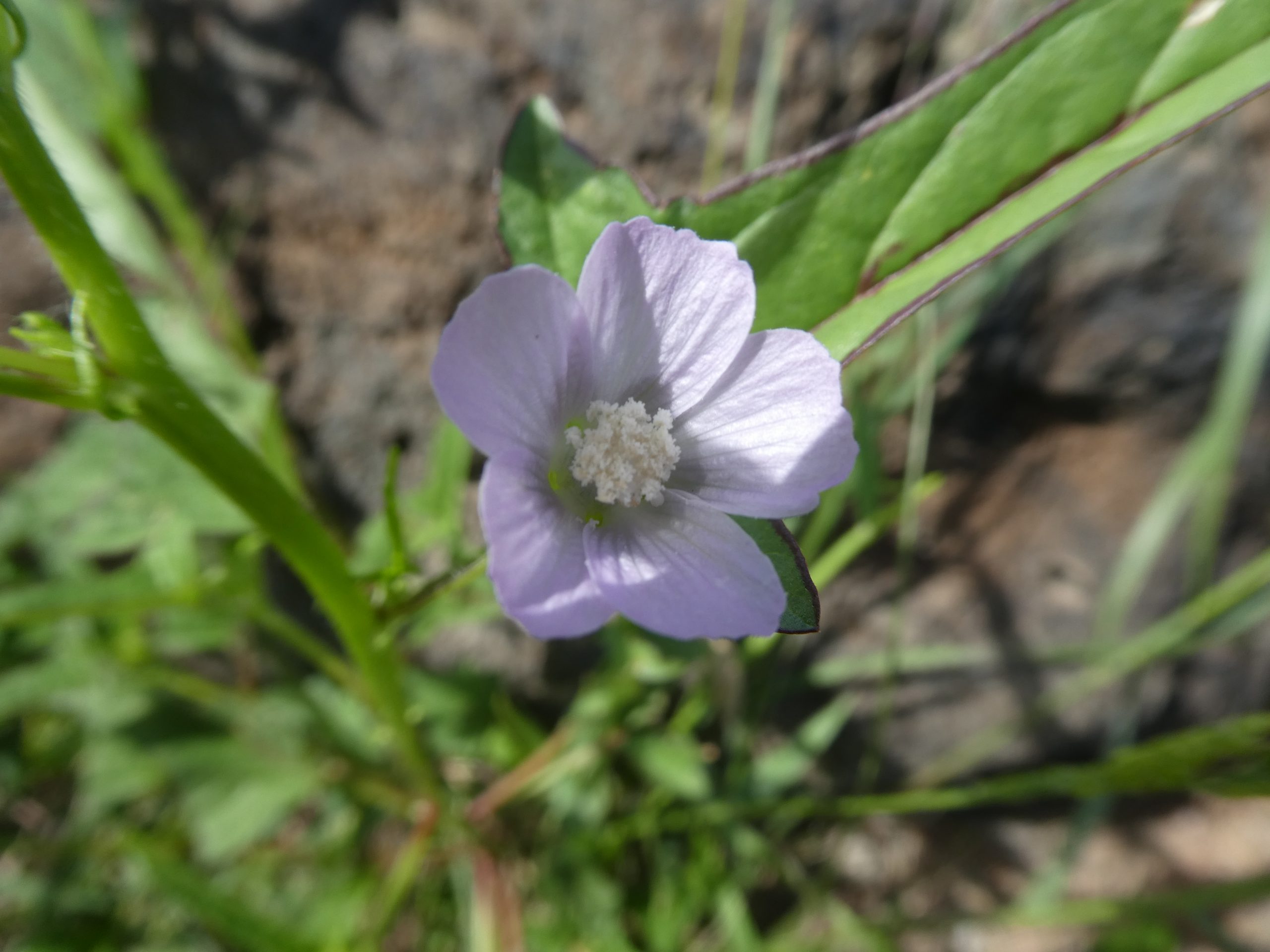
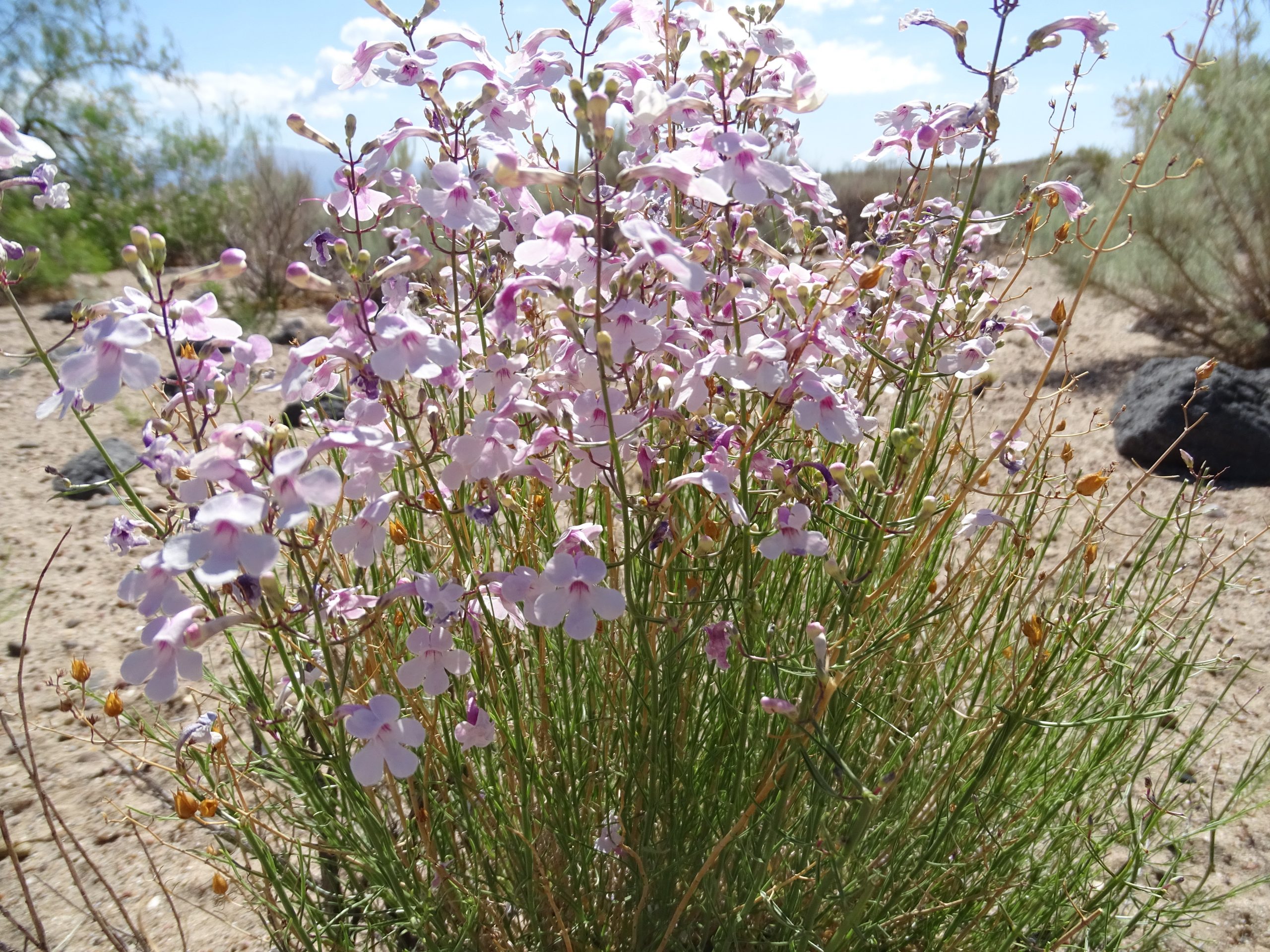
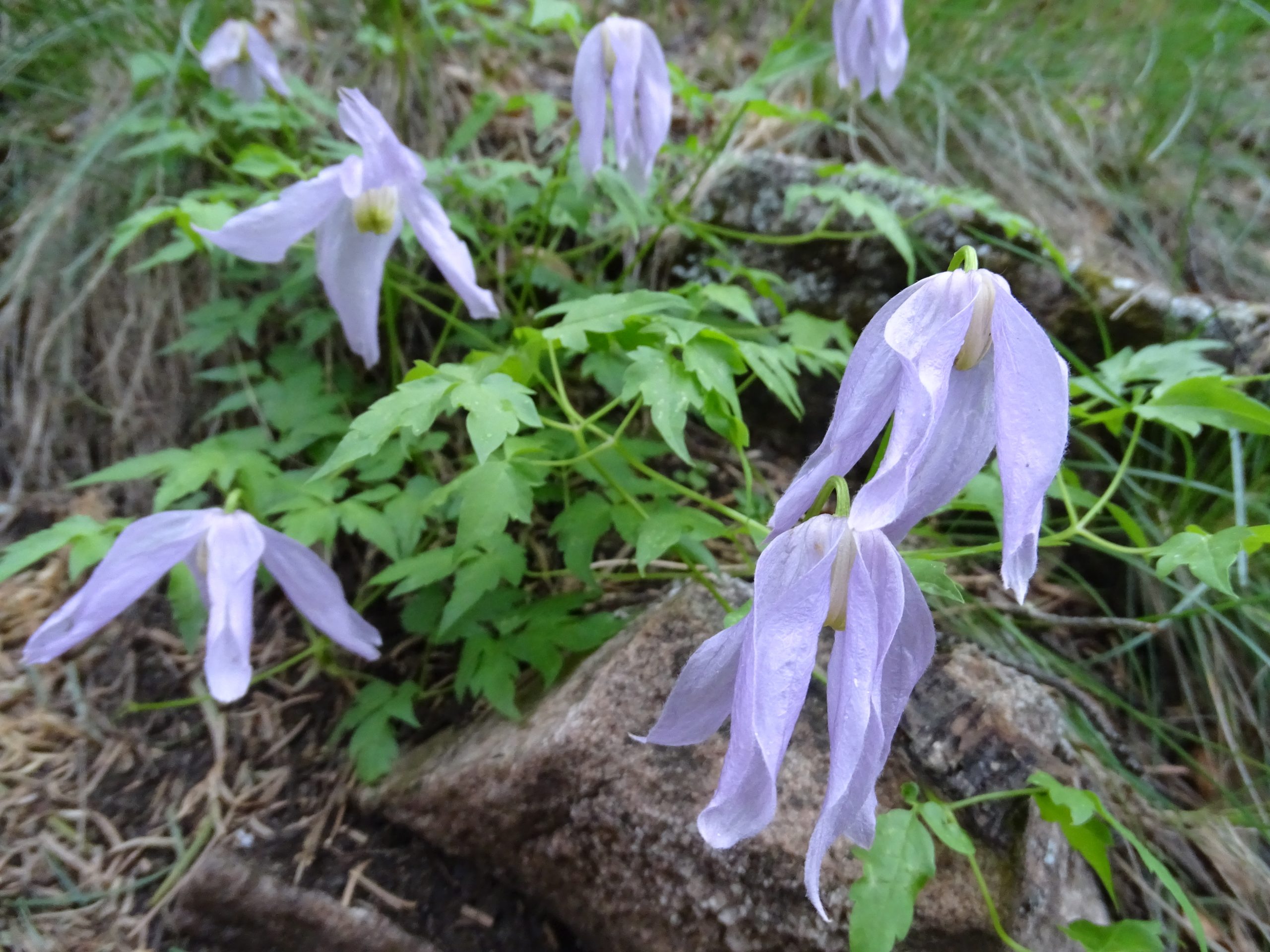
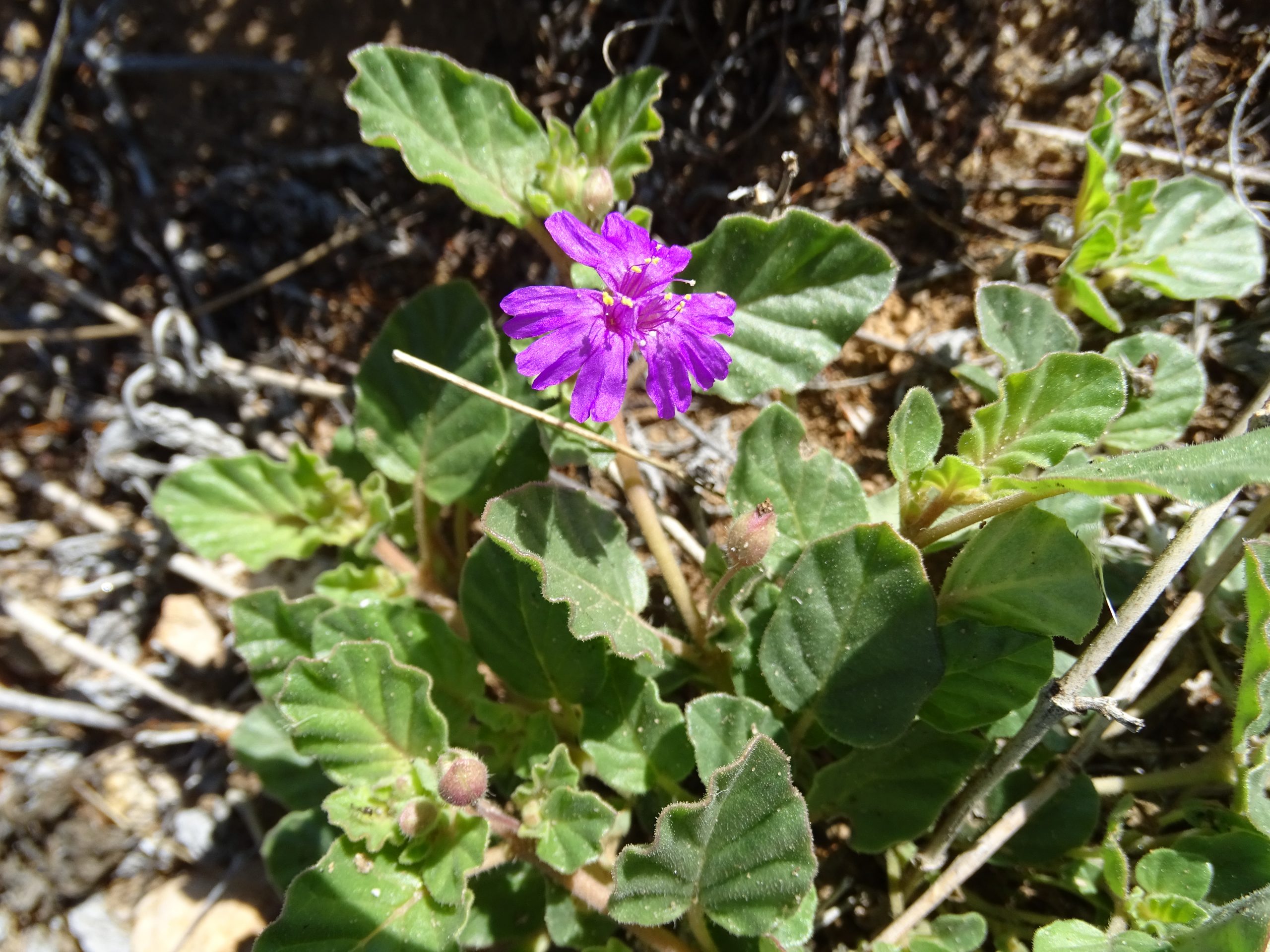
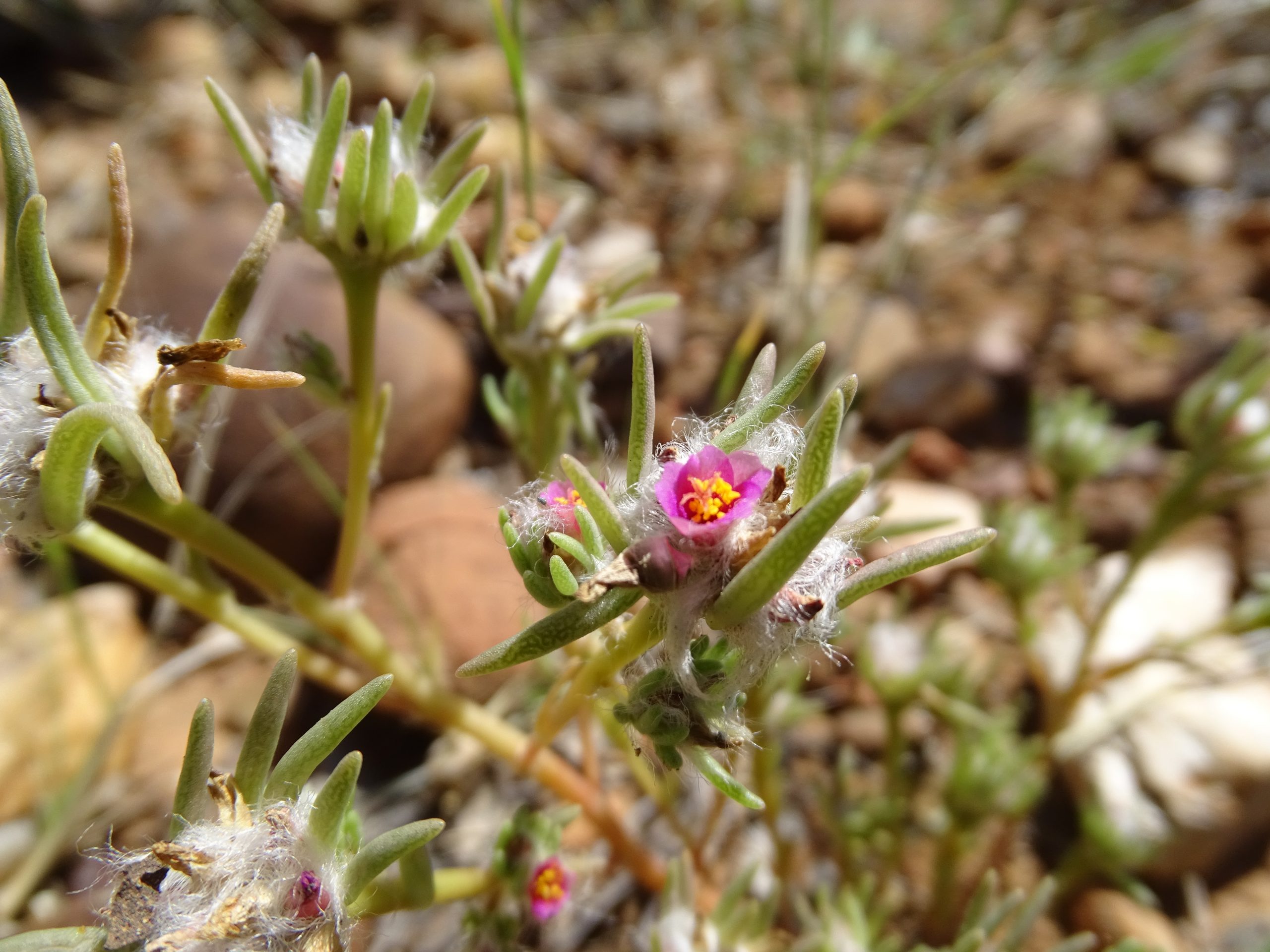
Cerastium arvenseField ChickweedMeadow ChickweedStarry Mouse-ear Chickweed Note : forest meadow habitat; highly variable genus with several similar species
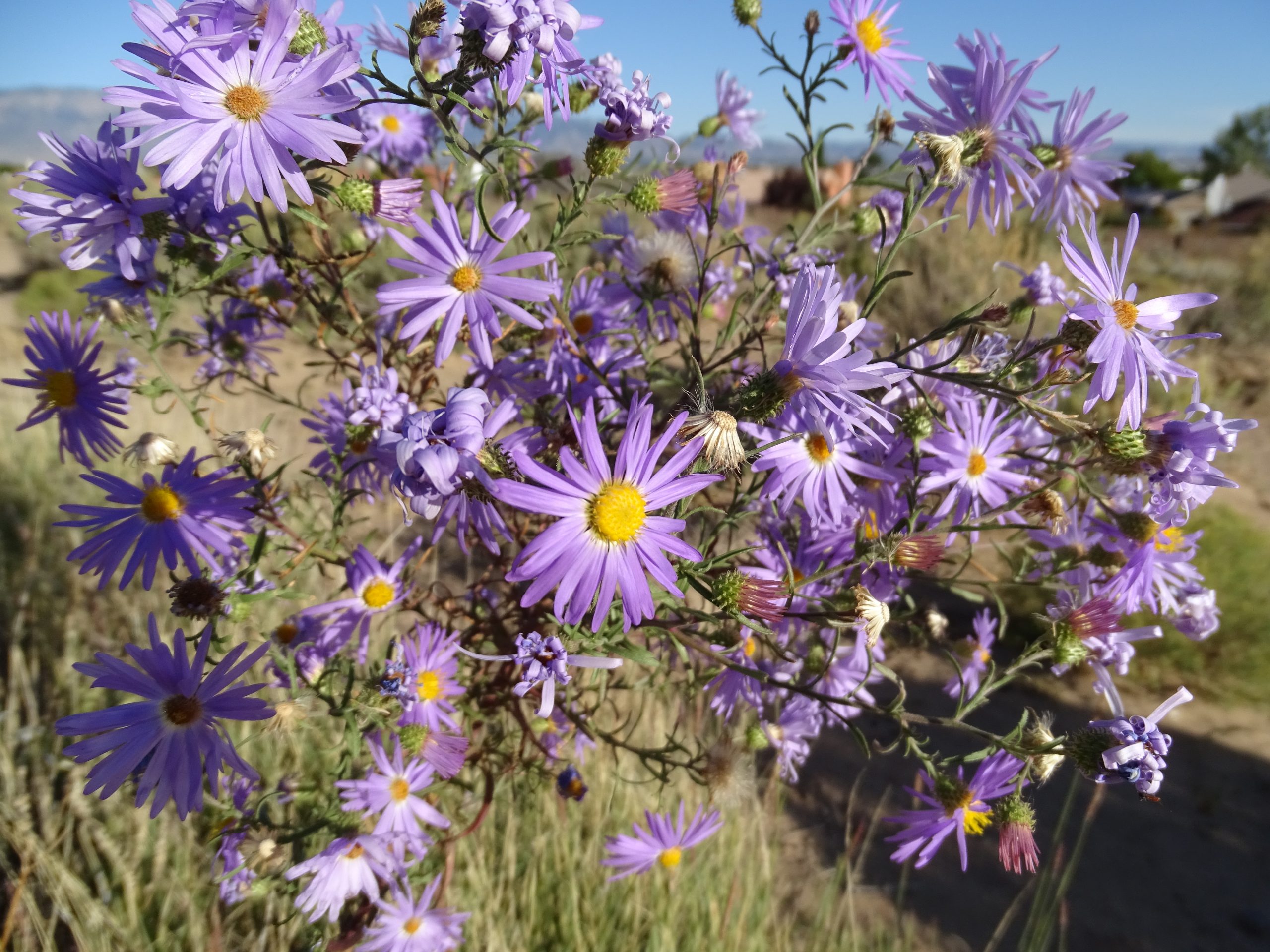
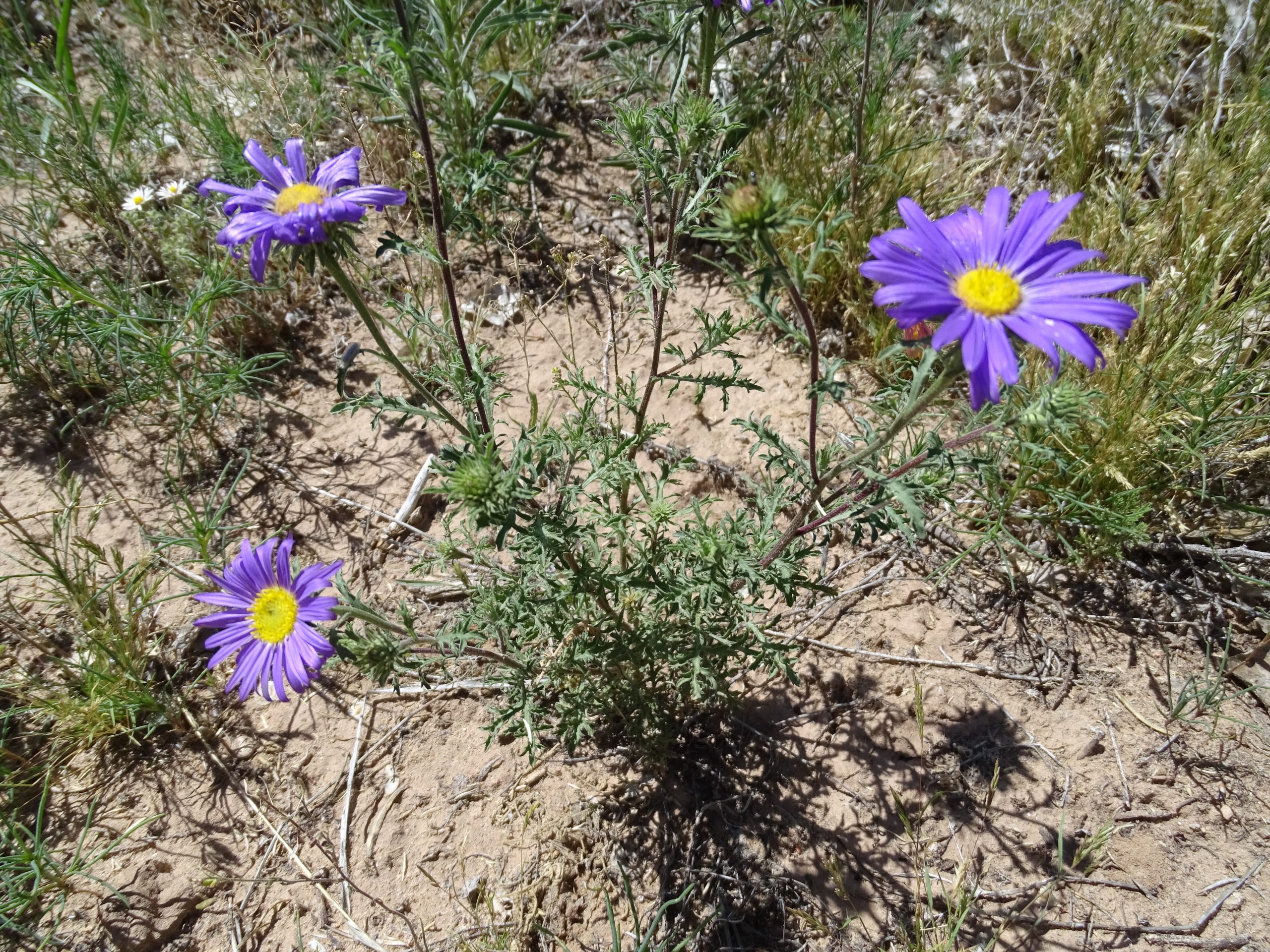
Dieteria bigeloviiBigelow’s AsterSticky Aster Note: near look-alike to more common Purple Aster Dieteria canescens; the distinguishing test is to feel the “stickiness” of flower stems
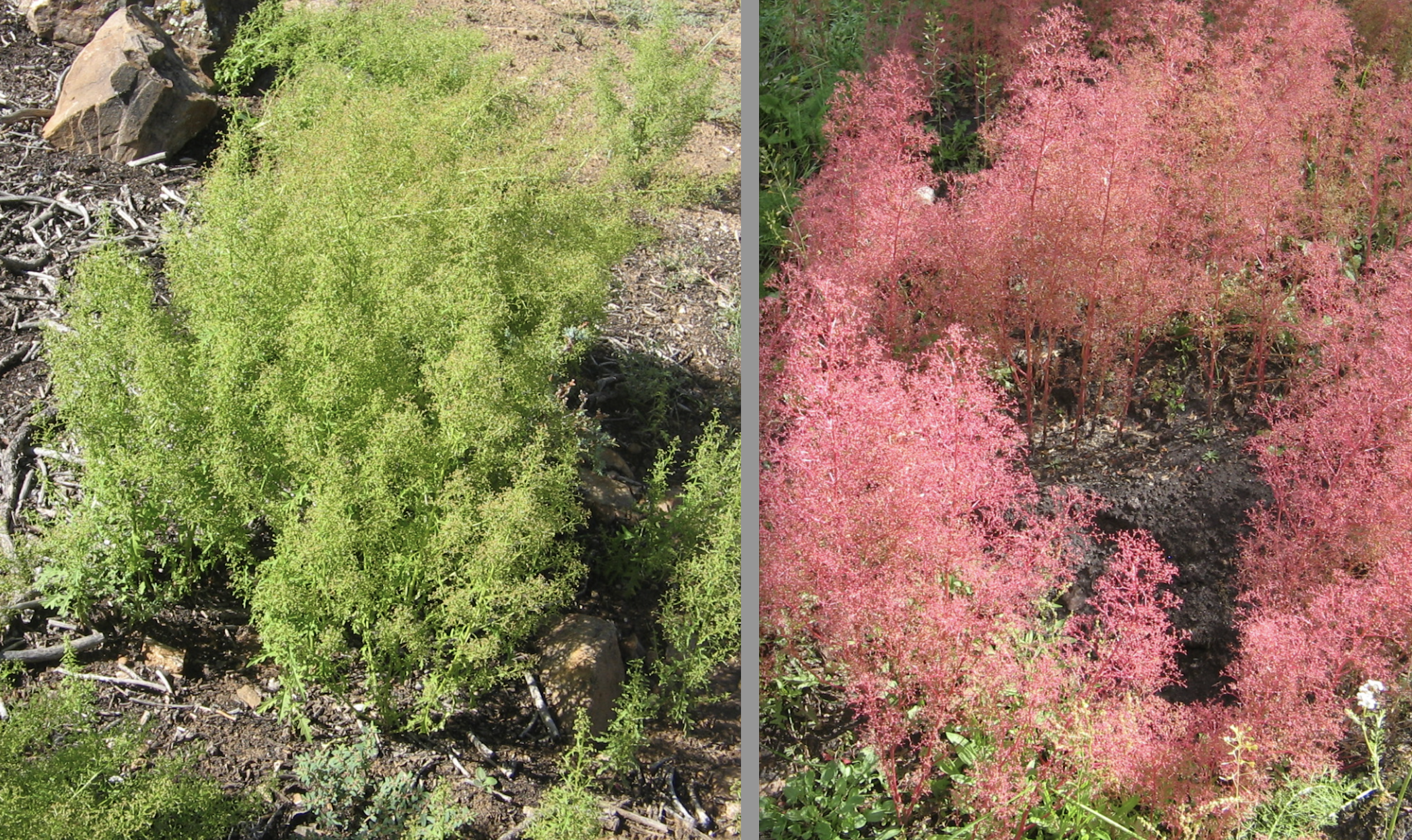
Chorispora tenellaBlue MustardPurple MustardCrossflowerTenella Note: despite the “blue” name, colonies of these Mustards cast a purple hue on fields and roadsides
Campanula parryiParry’s (Purple) Bellflower Note: flowers may also be blue-colored; mountain meadow habitats; flowerheads are turned upwards in contrast to Campanula rotundifolia
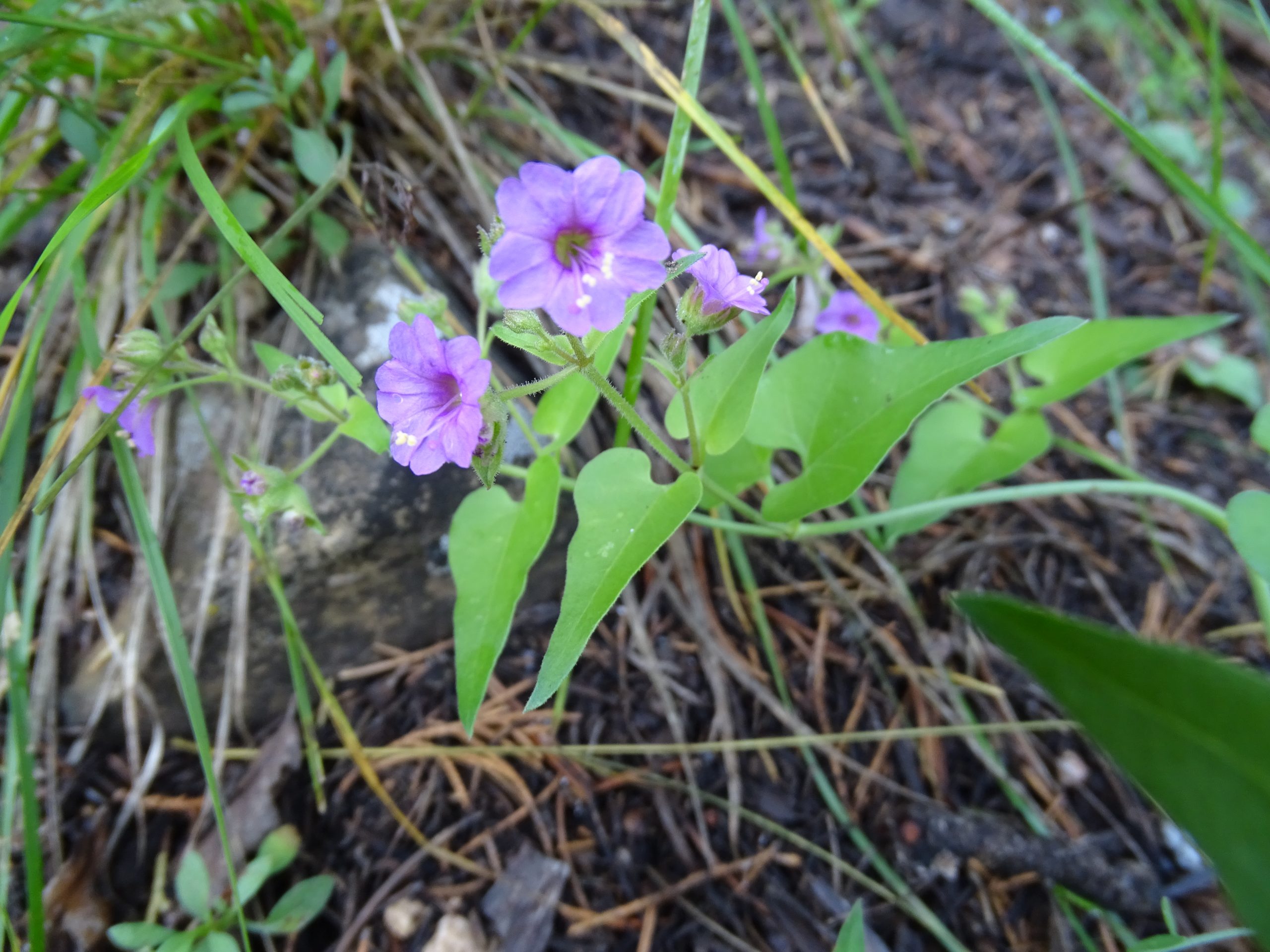
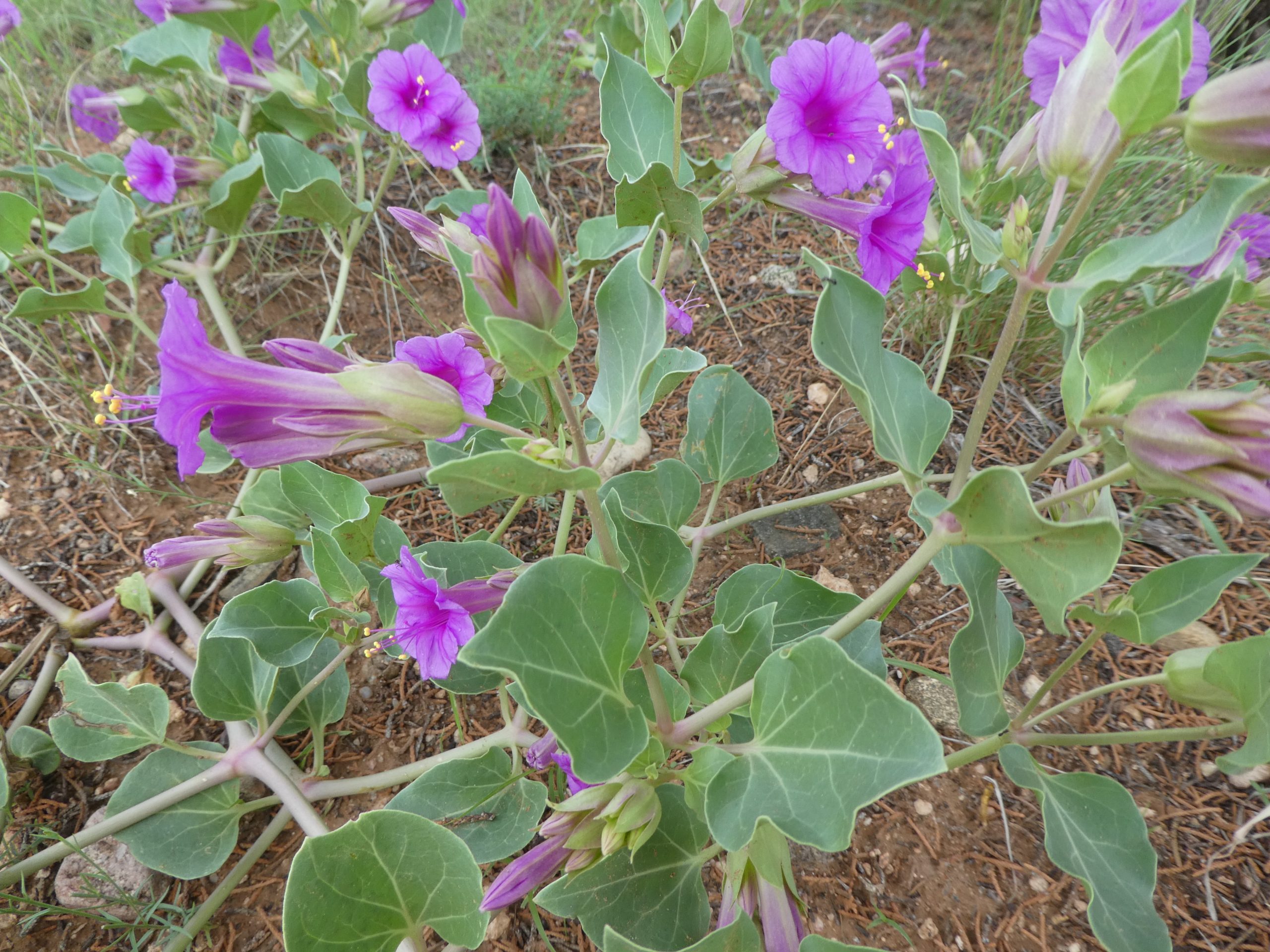
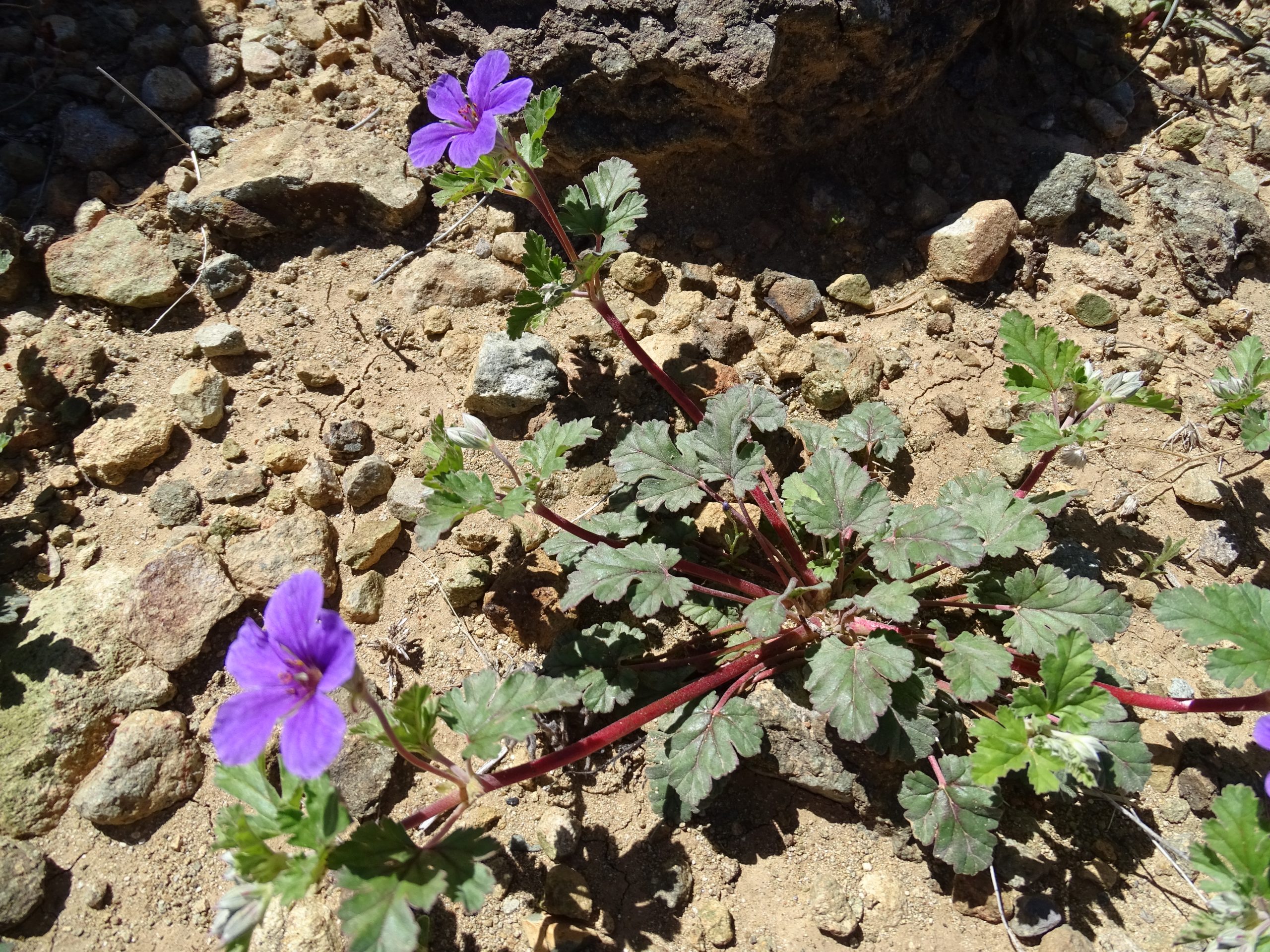
Mirabilis oxybaphoidesSpreading Four O’clock Note: usually prostrate, vining growth habit; with heart-shaped leaves, but distinct from Heart-leaf Four O’clock (Mirabilis nyctaginea)
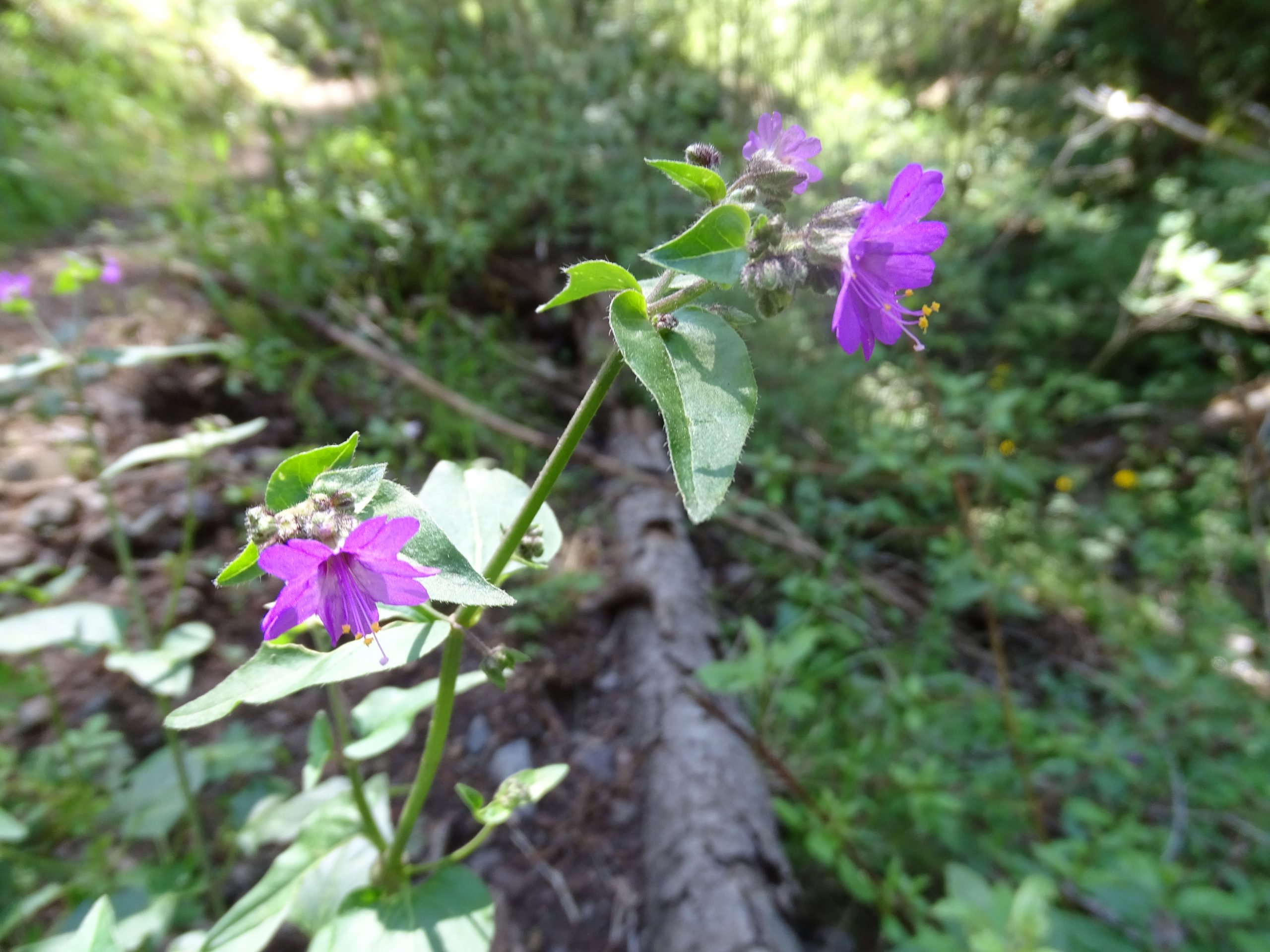
Mirabilis nyctagineaHeart-leaf Four O’clock Note: intergrades with M. albida ; distinct from prostrate, vining growth of Spreading Four O’clock (M. oxybaphoides) which also has heart-shaped leaves
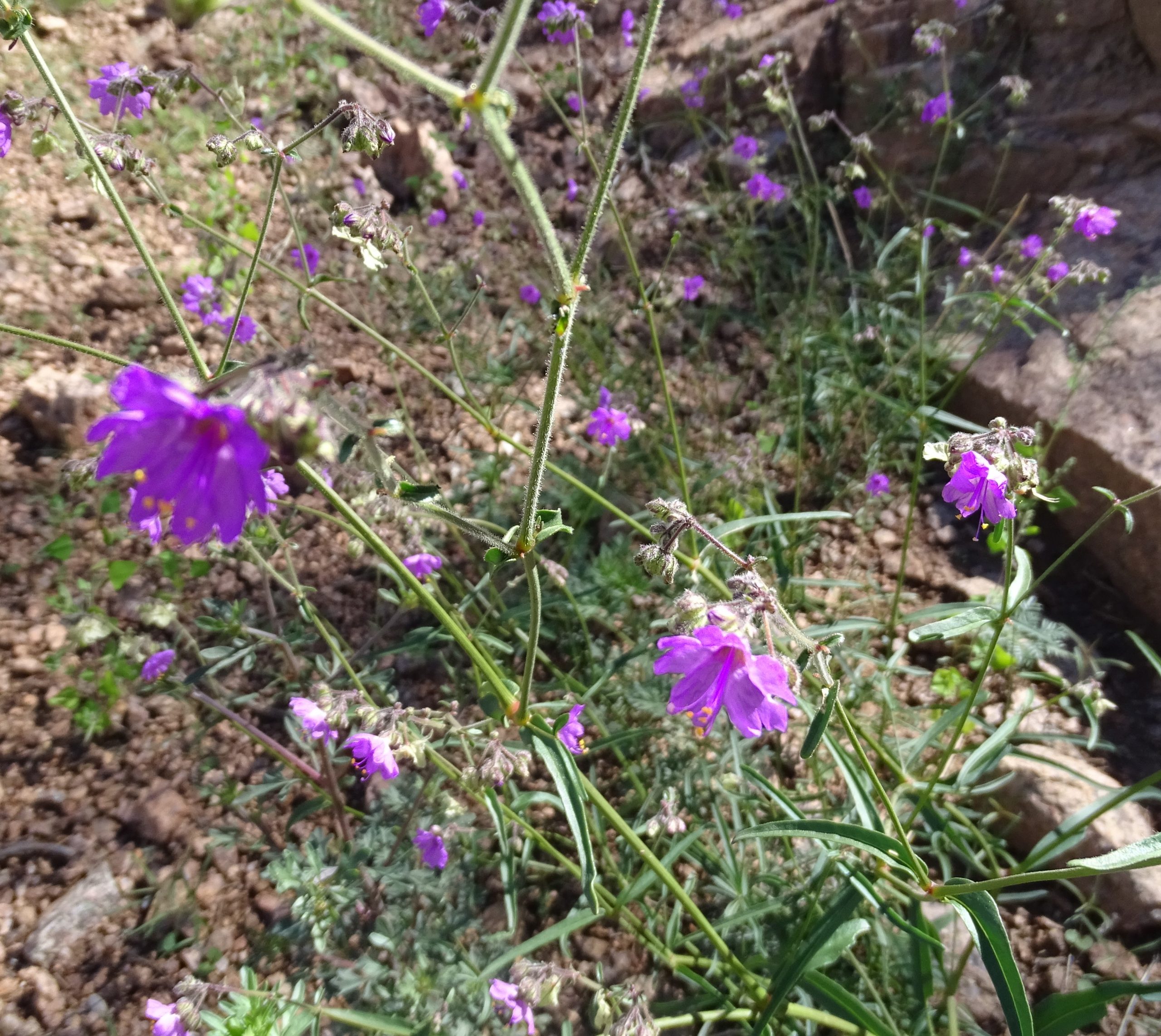
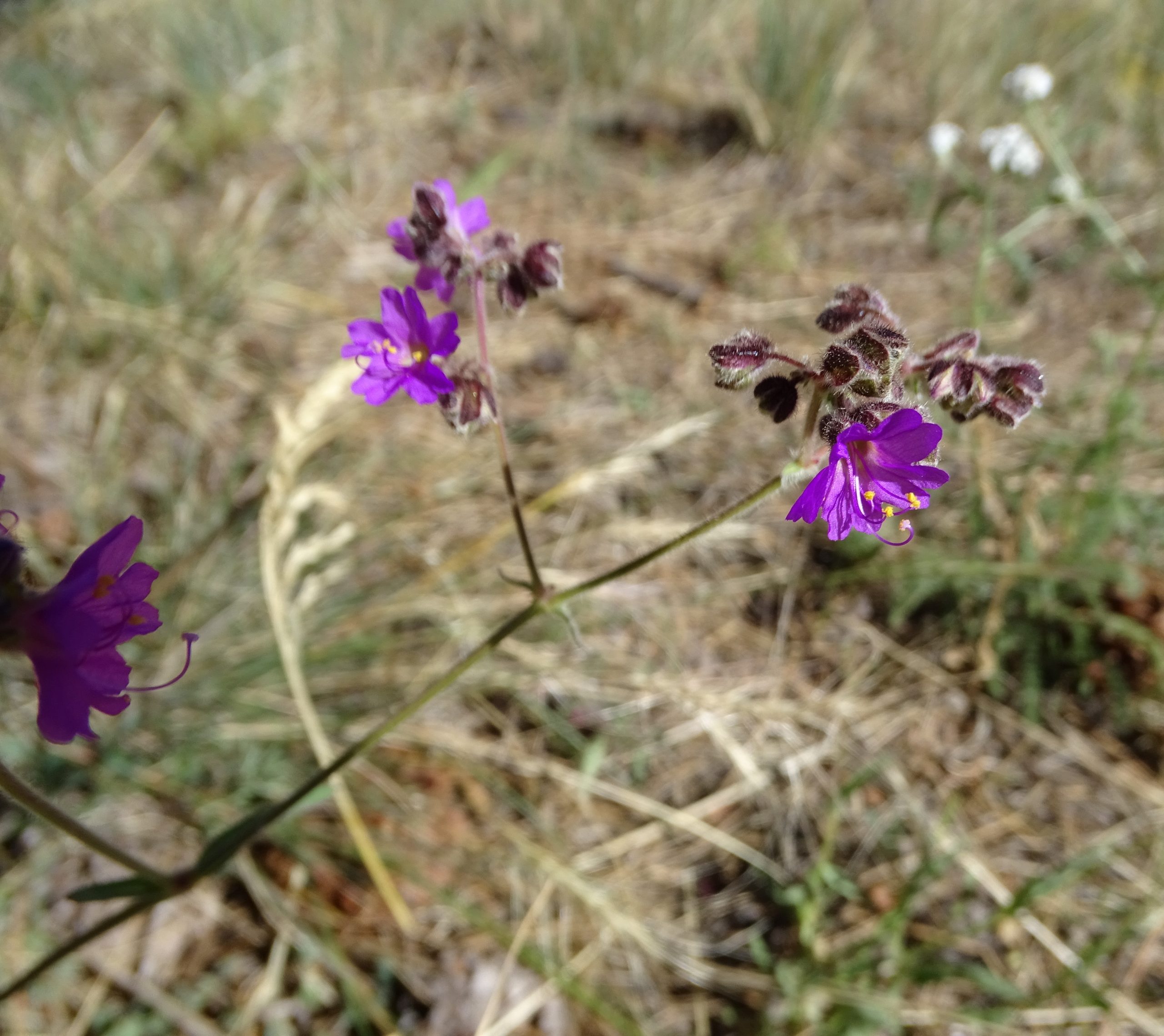
Mirabilis albidaVelvet UmbrellawortMeadow Four O’clock Note: common; species name “albida” (white) is deceptive; similar Mirabilis melanotricha found at higher altitudes
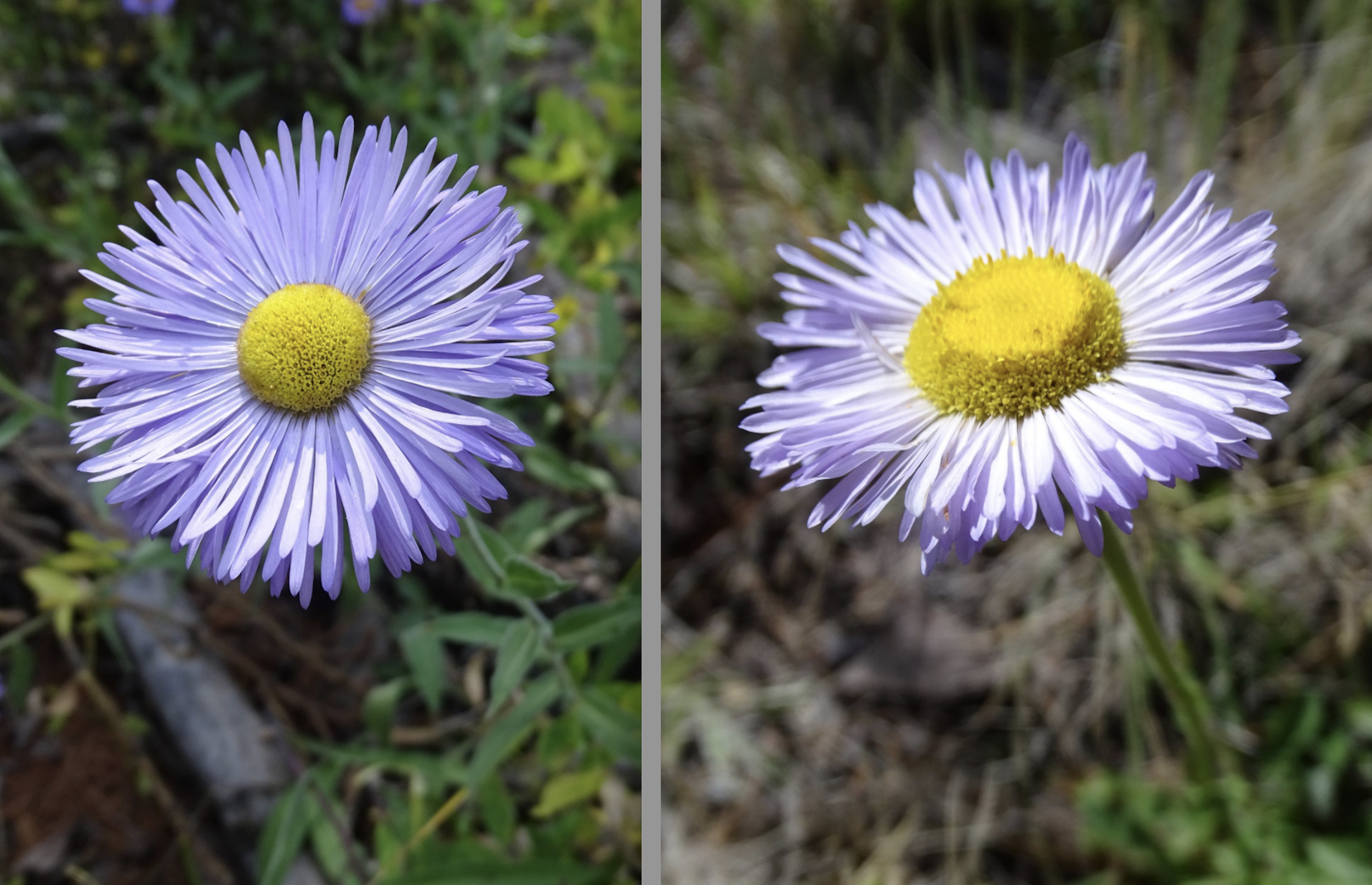
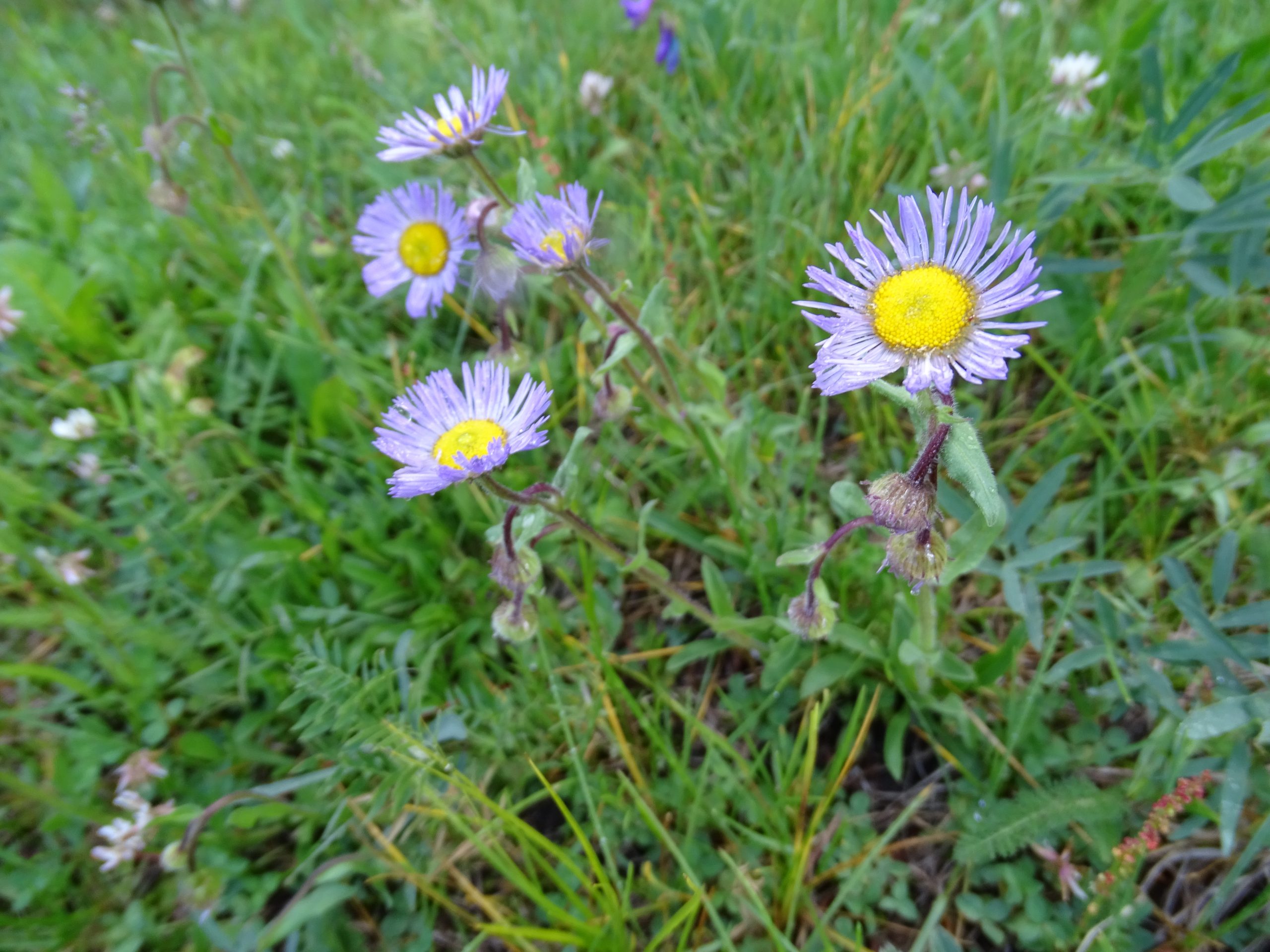
Erigeron speciosusAspen FleabaneShowy Fleabane Note: blue/lavender or sometimes white flowers; consult reference sources for similar species: E. formosisimus; E. subtrinervis